Arterial hypertension (high blood pressure)
Heart & circulation
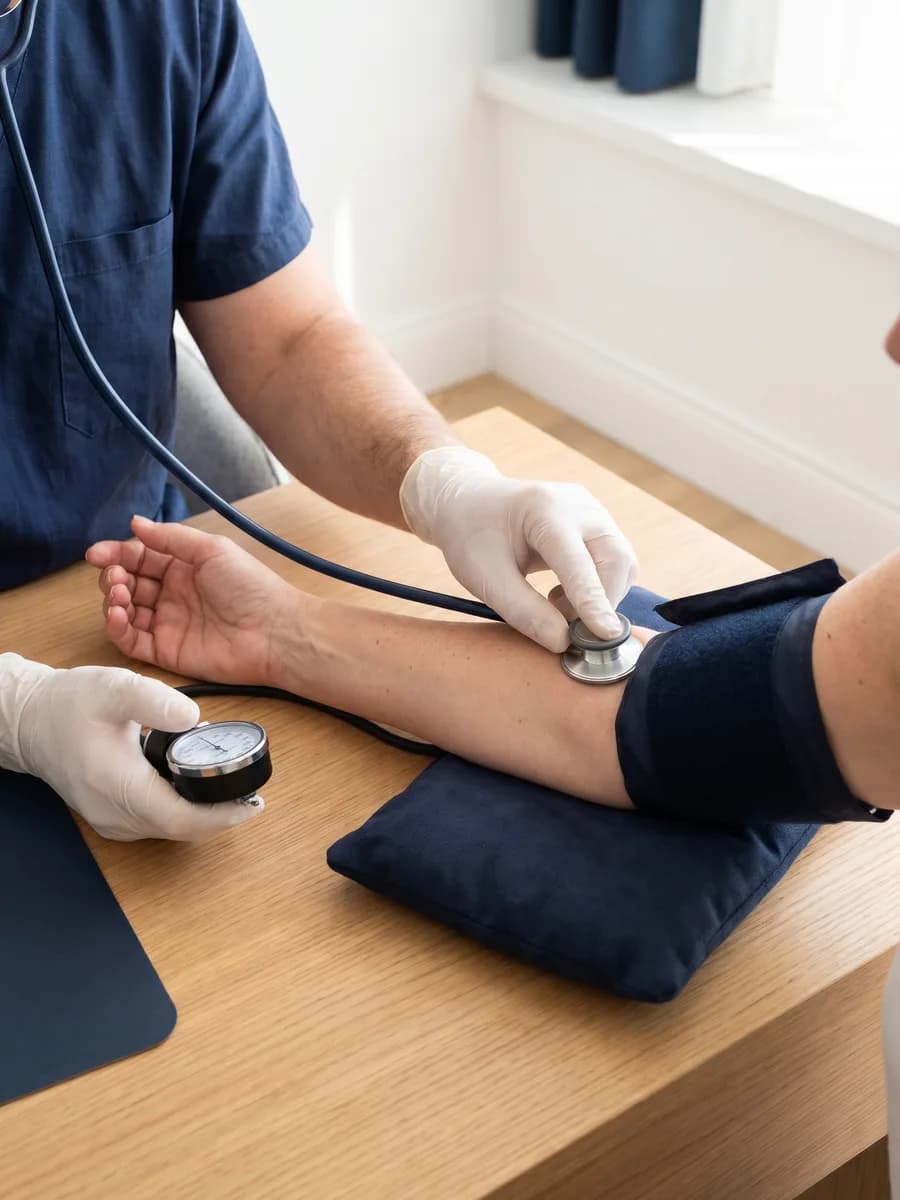
High blood pressure does not hurt, but over the years it damages the heart, brain, kidneys and blood vessels. We confirm the diagnosis, look for causes and control your blood pressure reliably.
What is it?
According to the current guideline of the European Society of Cardiology, an office blood pressure below 120/70 mmHg is considered normal, 120–139/70–89 mmHg elevated and 140/90 mmHg or more hypertension. About one in three adults is affected, and many do not know it.
High blood pressure is one of the most important risk factors for heart attack, stroke, heart failure, atrial fibrillation and kidney disease. When it is well controlled, this risk falls significantly.
Typical reasons for a visit
- Raised readings at the doctor's, at the pharmacy or at home
- Strongly fluctuating readings, high readings despite medication
- Headaches, dizziness, nosebleeds (but often no symptoms at all)
- High blood pressure at a younger age or with low potassium
- Side effects of blood pressure medication
Emergency: If readings are above 180/110 mmHg with chest pain, shortness of breath, visual or speech disturbances, paralysis or severe headache, call 112 immediately.
Diagnostics in this clinic
How it works
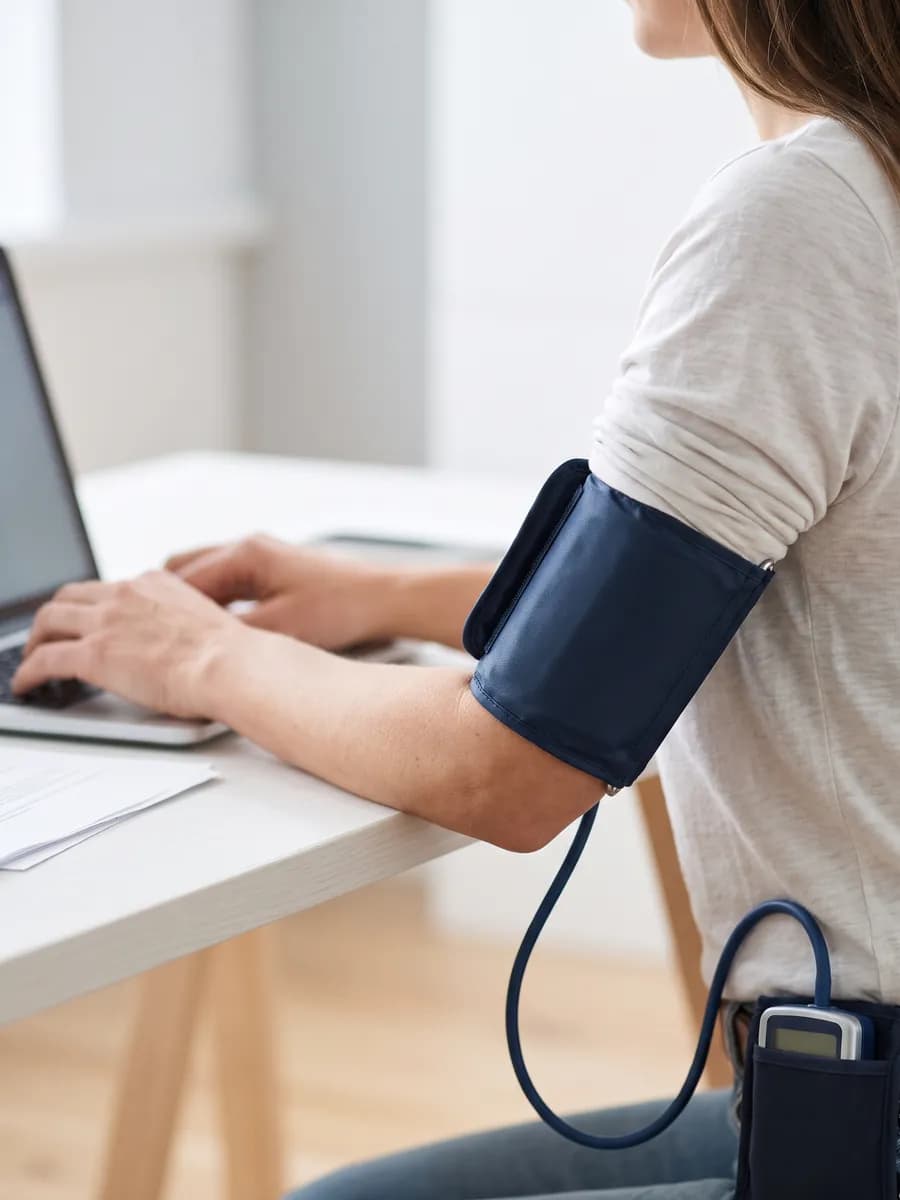
- 01Confirming the diagnosis: measurement in the practice and 24-hour blood pressure monitoring or structured home measurement – this also reveals white-coat and night-time hypertension.
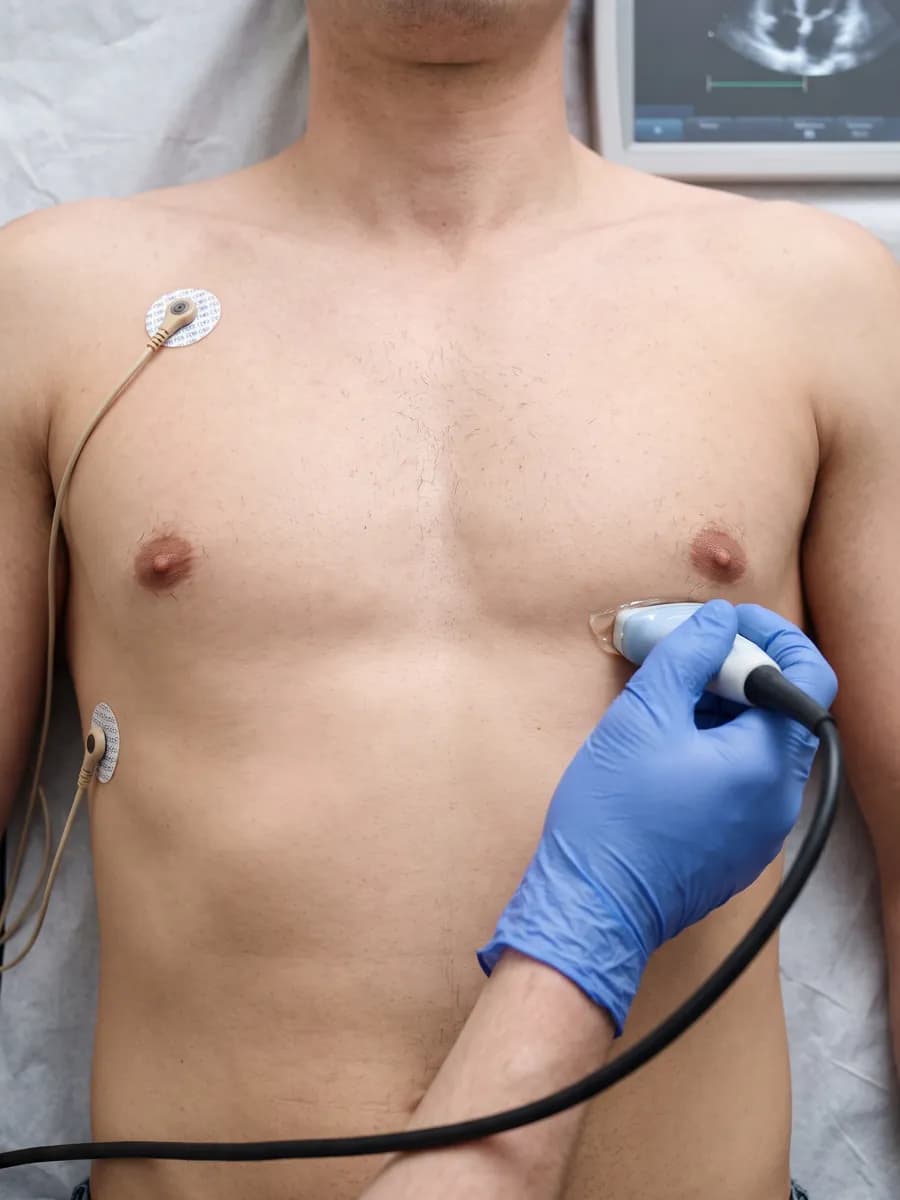
- 02Checking causes and consequences: ECG and heart ultrasound (thickening of the heart muscle), kidney function with albumin in urine; search for treatable causes such as a hormonal cause in the adrenal gland, sleep apnoea, kidney disease or thyroid disorders.
- 03Treatment: less salt, weight, exercise and alcohol – and, if necessary, medication, preferably as a combination in a single tablet. For most people, the target is an upper value of 120–129 mmHg, provided it is well tolerated.
- 04Monitoring: adjustment until the target is reached, then regular check-ups. If blood pressure is difficult to control, we check all possible causes; in selected cases, a catheter treatment of the renal arteries (renal denervation) at specialised centres may be an option.
Duration & preparation
First appointment approx. 30–45 minutes; fitting the 24-hour monitor approx. 10 minutes.
Please bring your blood pressure monitor, your blood pressure diary and your medication list.
FAQ: High blood pressure
Medically reviewed by Dr. med. (Univ. Sousse) Alaeddine Slama, Specialist in internal medicine and cardiology · Last updated: November 2026
Make an appointment
Online around the clock or by phone during our consultation hours.