Thyroid disease (underactive/overactive thyroid, Hashimoto's, nodules)
Internal medicine
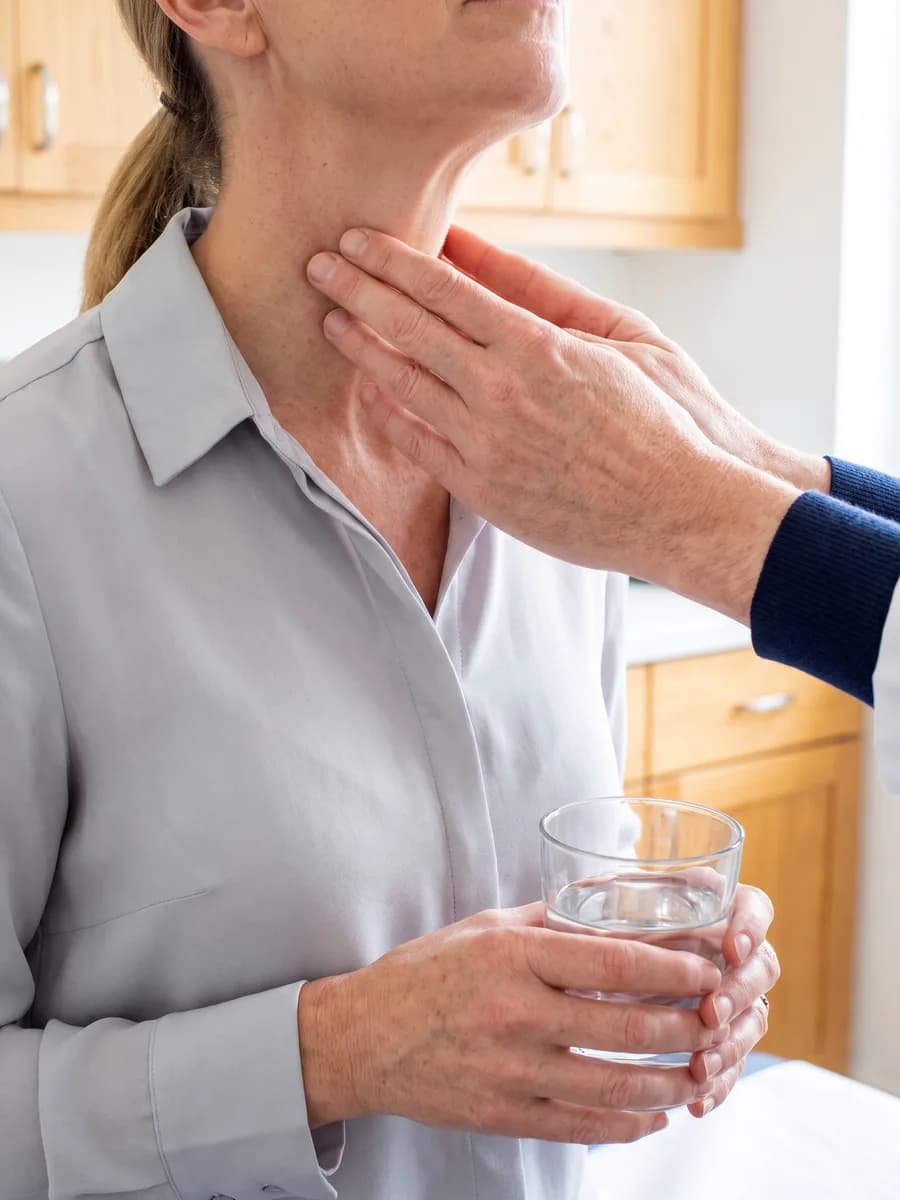
Tired, restless, a racing heart or an abnormal TSH result? We examine your thyroid with laboratory tests and ultrasound and fine-tune your treatment.
What is it?
Through its hormones, the thyroid controls metabolism, energy, weight and heart rate. In an underactive thyroid (hypothyroidism), the body runs on low power, often caused by Hashimoto's thyroiditis. In an overactive thyroid (hyperthyroidism), everything speeds up, e.g. due to Graves' disease or hormone-producing nodules.
Thyroid nodules are very common and usually harmless. With ultrasound and laboratory tests, we assess them and plan follow-up checks.
Typical symptoms
- Underactive thyroid: tiredness, feeling cold, weight gain, constipation, dry skin, hair loss, lack of drive
- Overactive thyroid: racing heart or palpitations, inner restlessness, sweating, weight loss, trembling, sleep problems
- A feeling of pressure or a lump in the throat, visible swelling
- Abnormal TSH without symptoms
- Monitoring while taking thyroid medication
Diagnostics in this clinic
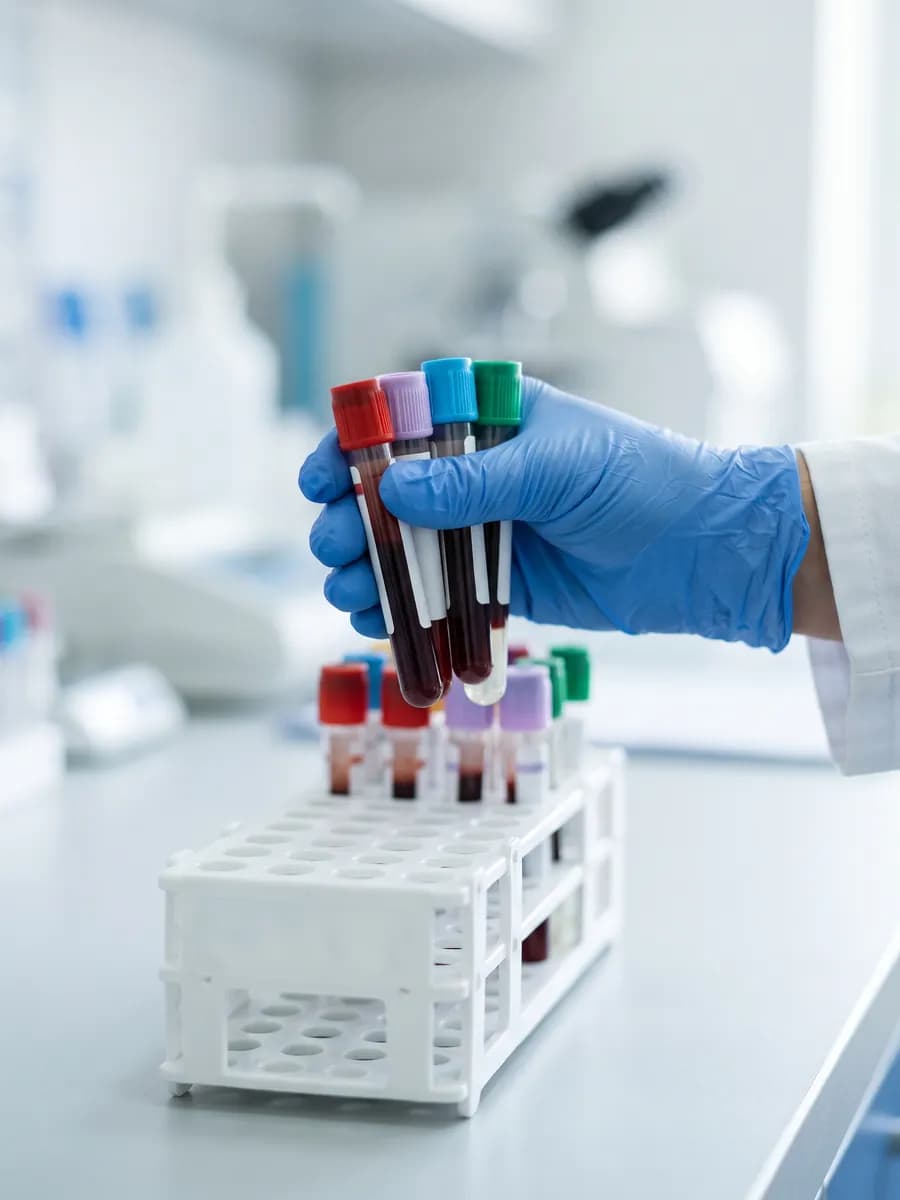
- Laboratory tests (TSH, free T4, free T3 if needed, thyroid antibodies TPO-Ab and TRAb)
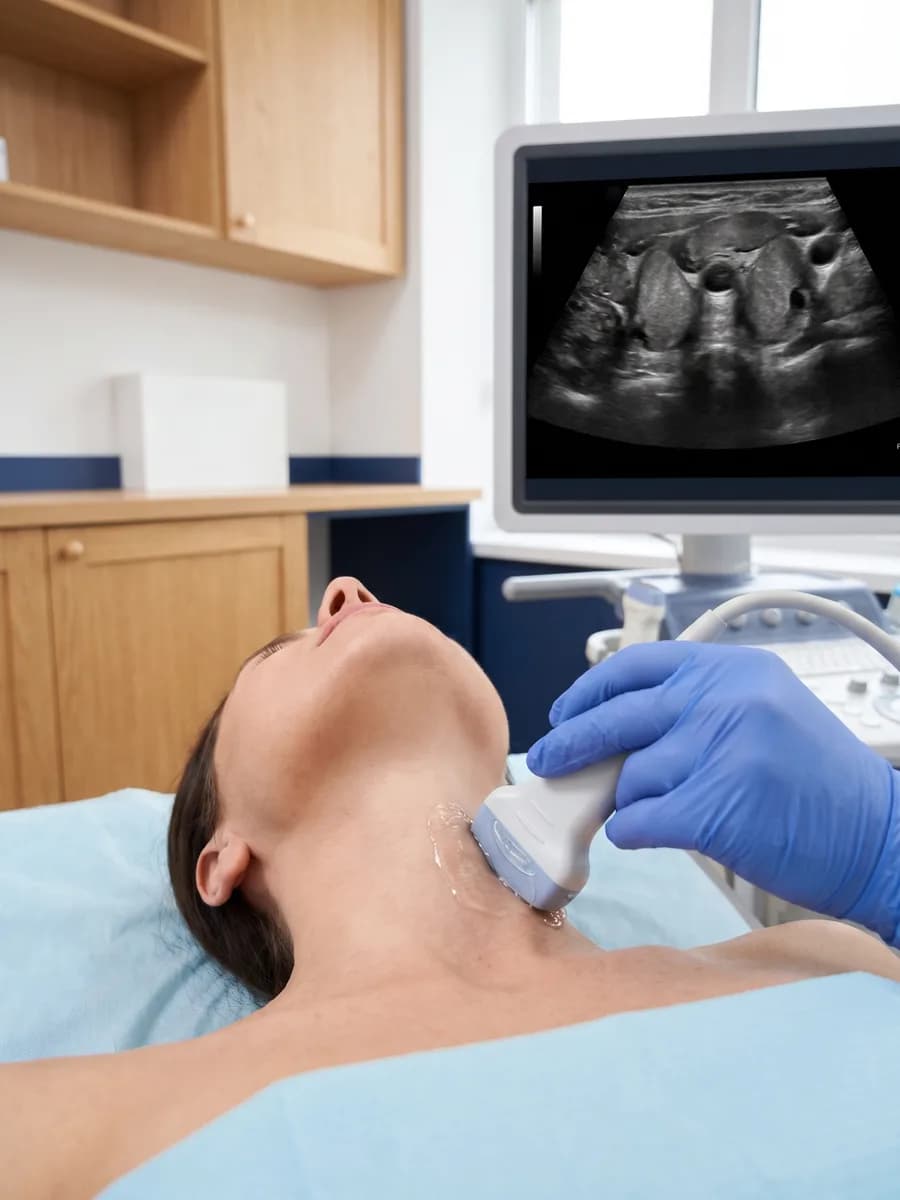
- Thyroid ultrasound
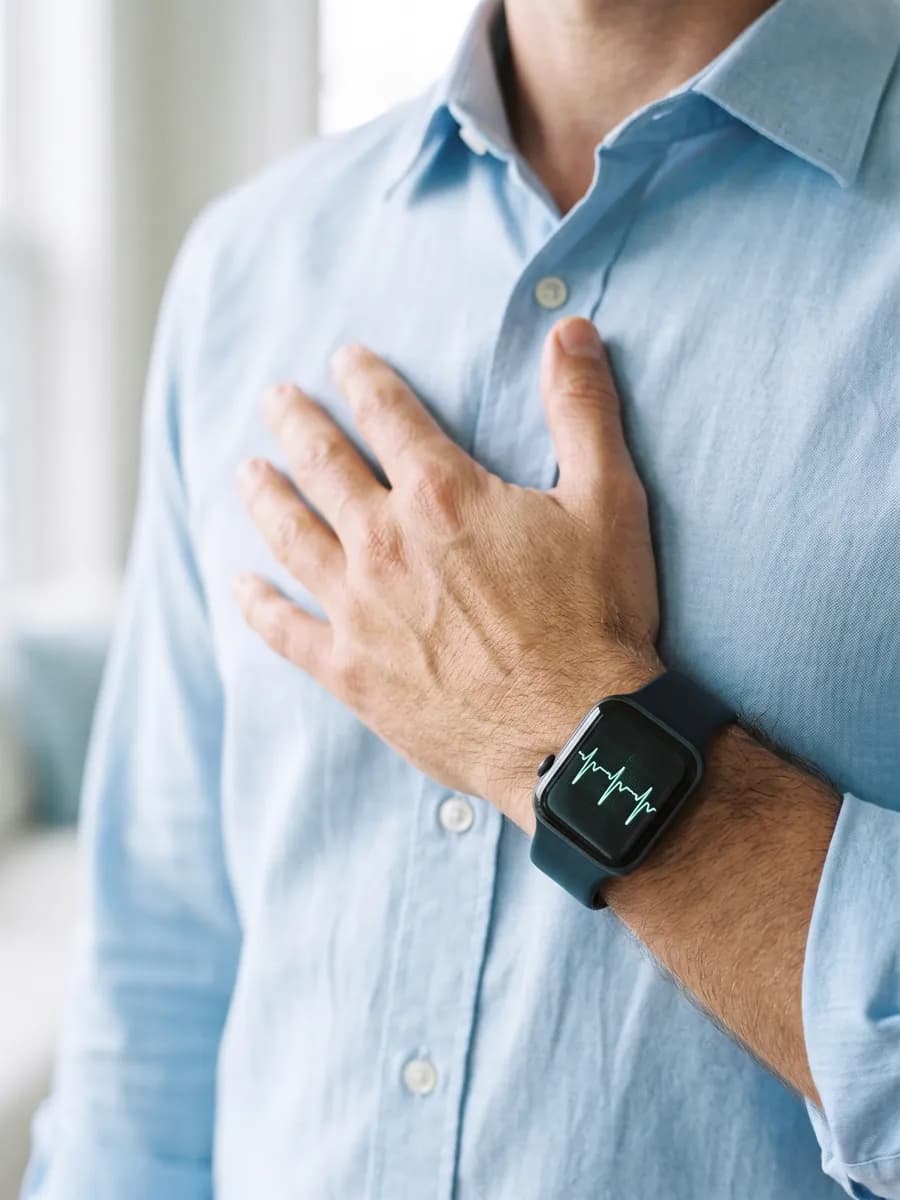
- Resting ECG and Holter ECG for a racing heart
In cooperation: scintigraphy, fine-needle aspiration
How it works
- 01Consultation and examination: symptoms, medical history, medication and thyroid disease in the family; palpation of the neck.
- 02Laboratory tests and ultrasound: thyroid values and antibodies; ultrasound to assess size, structure and any nodules.
- 03Treatment: thyroid hormone for an underactive thyroid or anti-thyroid medication for an overactive thyroid. Not every mildly underactive thyroid needs treatment – we decide together.
- 04Follow-up: checks after every dose change and then regularly; monitoring of nodules according to current recommendations. If needed, referral to nuclear medicine or surgery.
Heart and thyroid: an overactive thyroid can trigger atrial fibrillation and a racing heart, while an underactive thyroid can raise cholesterol. Some heart medications affect the thyroid. As an internist and cardiologist, Dr. Slama keeps both in view.
Duration & preparation
Approx. 20–30 minutes including ultrasound.
On the day of the test, take your thyroid tablet only after the blood sample has been taken. Please pause biotin-containing supplements (e.g. for hair and nails) 2 days beforehand, as they can distort the laboratory results.
FAQ: Thyroid disease
Medically reviewed by Dr. med. (Univ. Sousse) Alaeddine Slama, Specialist in internal medicine and cardiology · Last updated: November 2026
Make an appointment
Online around the clock or by phone during our consultation hours.