Coronary artery disease (chest pain, chest tightness, narrowed coronary arteries)
Heart & circulation

Pressure or tightness in the chest on exertion? We clarify in a structured way whether the coronary arteries are the cause and provide long-term care – including after a heart attack, stent or bypass surgery.
What is it?
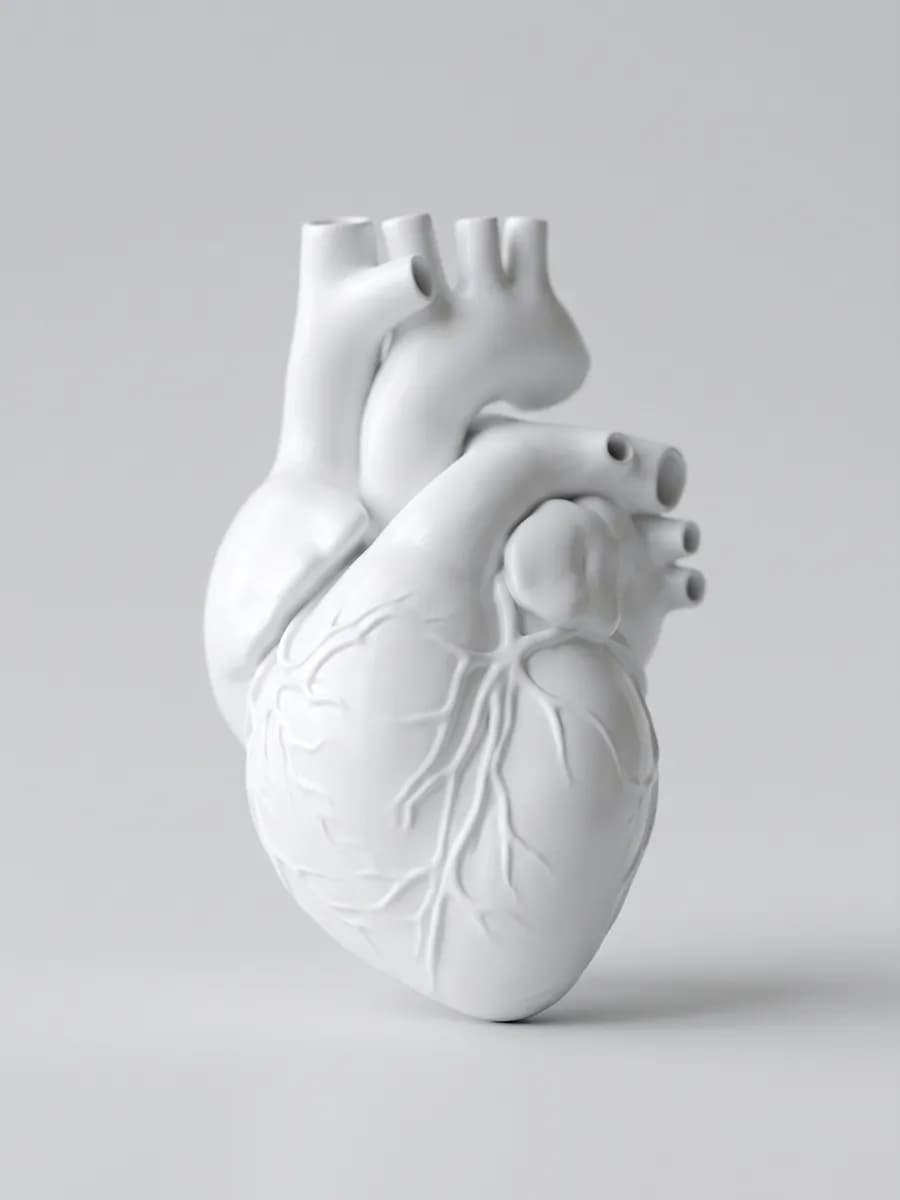
In coronary artery disease (CAD), deposits (atherosclerosis) narrow the coronary arteries that supply the heart muscle with blood. A typical sign is chest tightness on exertion (angina pectoris). If an artery suddenly becomes blocked, a heart attack occurs.
Detected early and treated consistently, the risk of a heart attack can be reduced significantly.
Typical symptoms
- Pressure, tightness or burning behind the breastbone during physical or emotional stress
- Pain spreading to the arm, neck, jaw or back
- Shortness of breath or a drop in performance on exertion
- Often atypical in women, older people and people with diabetes: nausea, exhaustion, upper abdominal discomfort
Emergency: For sudden, persistent (longer than 5 minutes) or resting chest pain – especially with shortness of breath, sweating or nausea – call 112 immediately. A practice appointment is not the right route in this case.
Diagnostics in this clinic
- Resting ECG
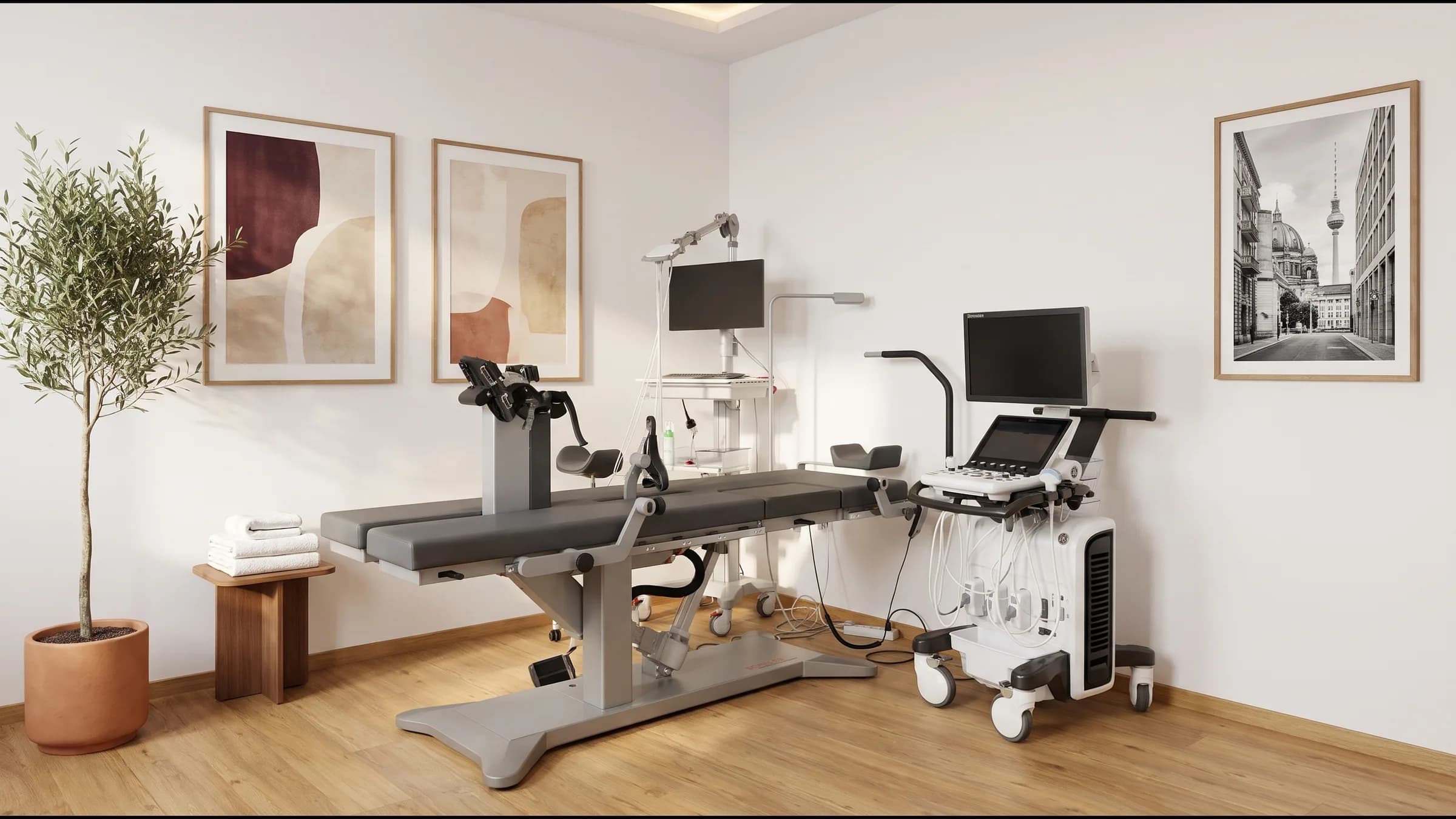
- Echocardiography
- Stress echocardiography
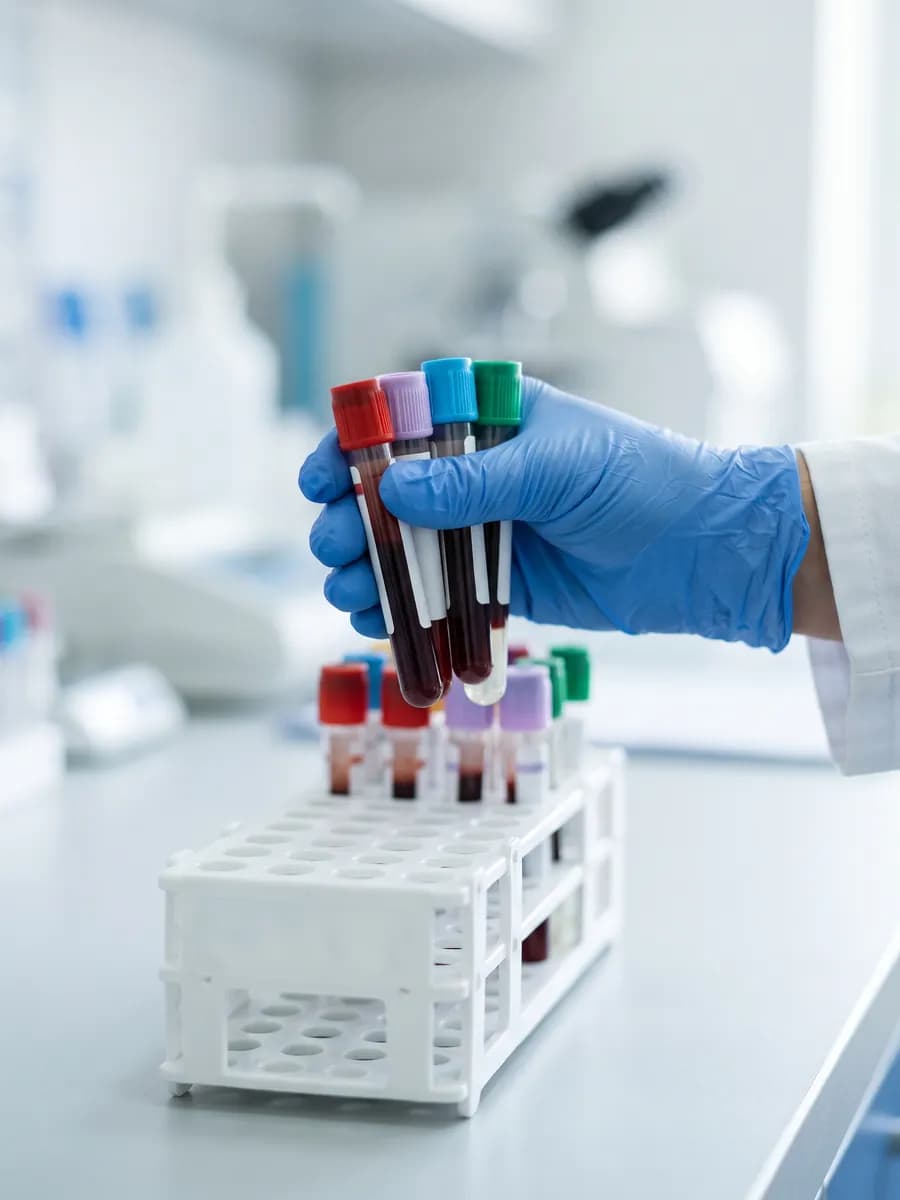
- Laboratory tests (blood lipids incl. lipoprotein(a), HbA1c)
- Carotid duplex ultrasound
In cooperation: coronary CT, cardiac catheterisation
How it works
- 01Assessment: detailed discussion of your symptoms, risk factors and family history, physical examination, ECG, laboratory tests and heart ultrasound.
- 02Targeted testing: depending on the likelihood of CAD, the next step according to the European Society of Cardiology guideline is a stress echocardiogram in our practice or a coronary CT in cooperation.
- 03Treatment: consistent management of cholesterol, blood pressure and blood sugar, stopping smoking, exercise and medication to protect against heart attack and relieve symptoms. If cardiac catheterisation with a stent or bypass surgery is needed, we arrange the referral to a heart centre.
- 04Follow-up care: regular check-ups, LDL cholesterol targets, duration of antiplatelet therapy after a stent, support during rehabilitation and the return to everyday life, work and sport.
Duration & preparation
First appointment approx. 45–60 minutes including ECG and heart ultrasound.
Please bring your medication list, doctors' letters, catheter or surgery reports and laboratory results.
FAQ: Coronary artery disease
Medically reviewed by Dr. med. (Univ. Sousse) Alaeddine Slama, Specialist in internal medicine and cardiology · Last updated: November 2026


Make an appointment
Online around the clock or by phone during our consultation hours.