Diabetes mellitus (high blood sugar) & prediabetes
Internal medicine
High blood sugar is not just about sugar: it puts strain on the heart, blood vessels, kidneys, nerves and eyes. We care for you from both an internal medicine and a cardiology perspective, in one place.
What is it?
In type 2 diabetes mellitus, the body can no longer regulate blood sugar adequately. We diagnose diabetes with an HbA1c of 6.5% or higher, a fasting blood sugar of 126 mg/dl or higher, or a glucose tolerance test with a two-hour value of 200 mg/dl or higher. Values just below these indicate prediabetes, an early stage that can often still be reversed through lifestyle changes.
People with diabetes have a significantly increased risk of heart attack, stroke, heart failure and kidney disease. That is why we treat not only blood sugar but all risk factors together.
Typical symptoms and reasons for a visit
- Raised blood sugar or HbA1c at a routine check-up
- Intense thirst, frequent urination, tiredness, change in weight
- Excess weight, high blood pressure or diabetes in the family
- Known diabetes that is not well controlled
- Diabetes together with heart or kidney disease
Diagnostics in this clinic
How it works
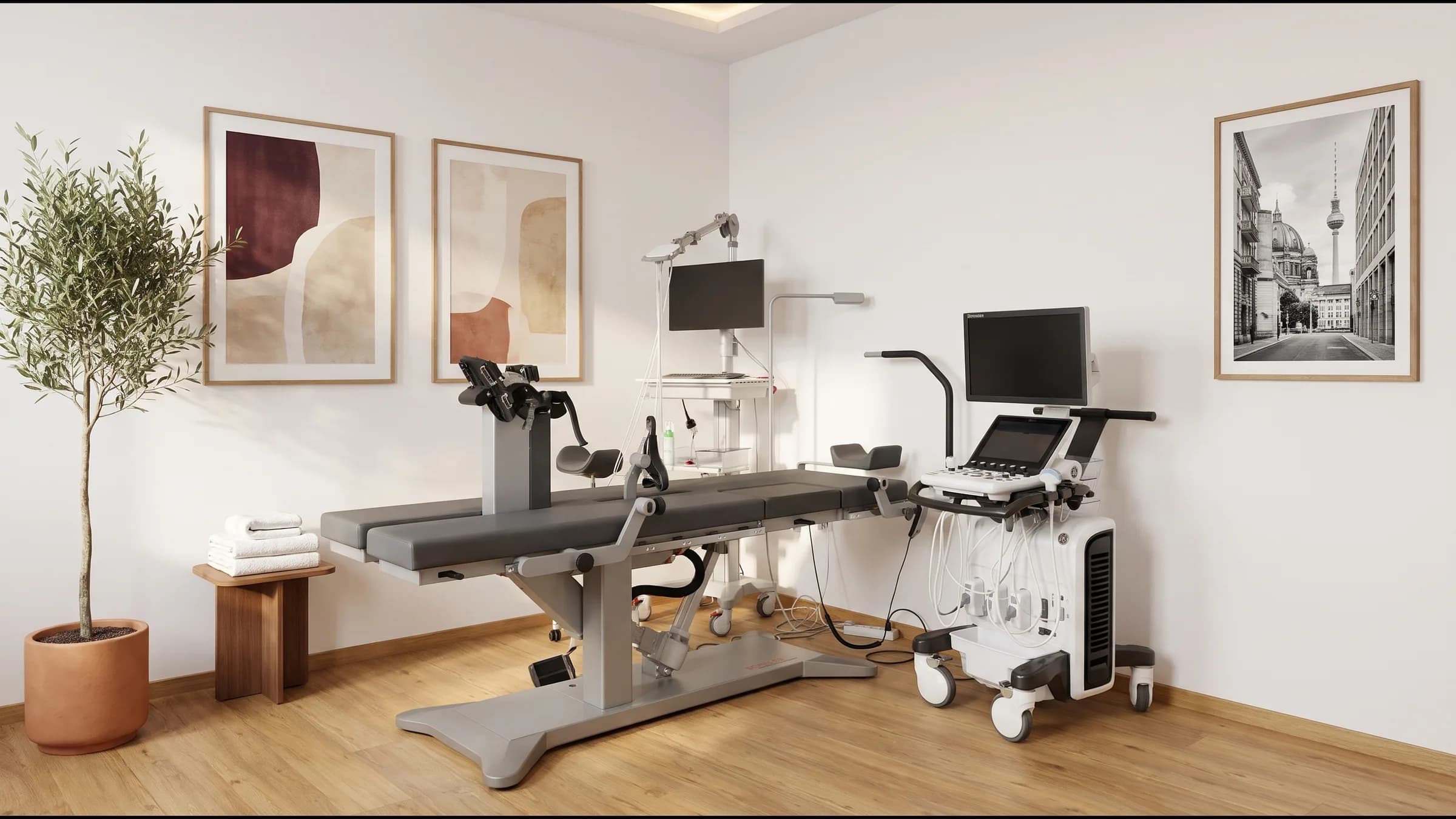
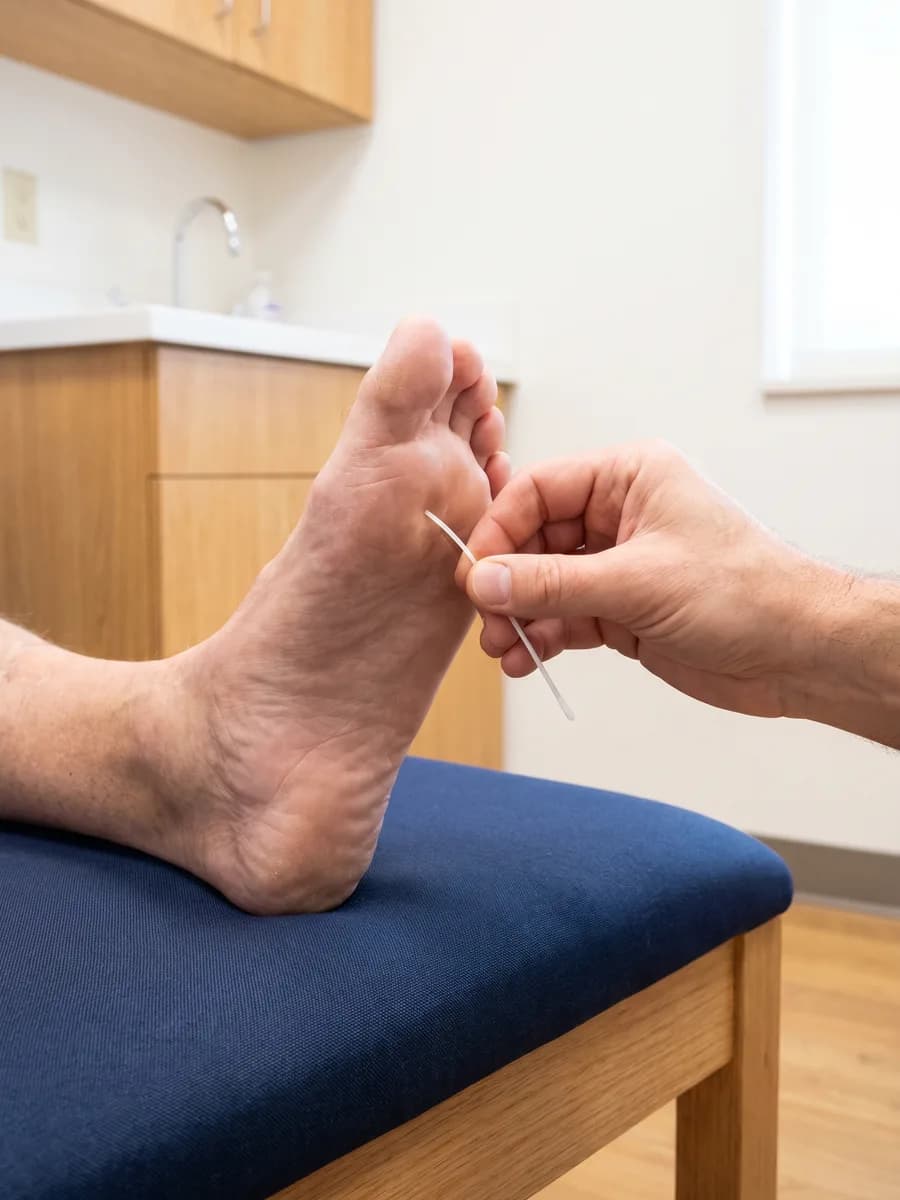
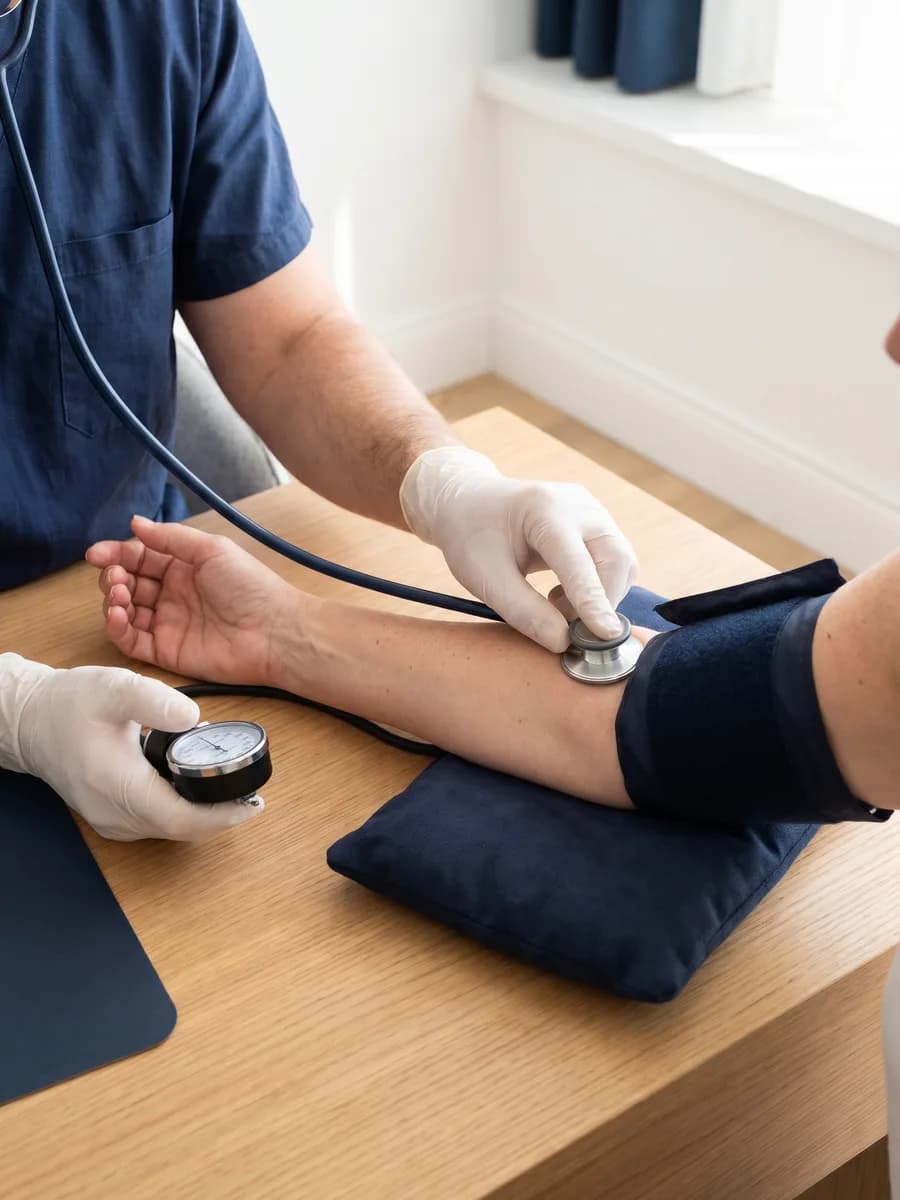
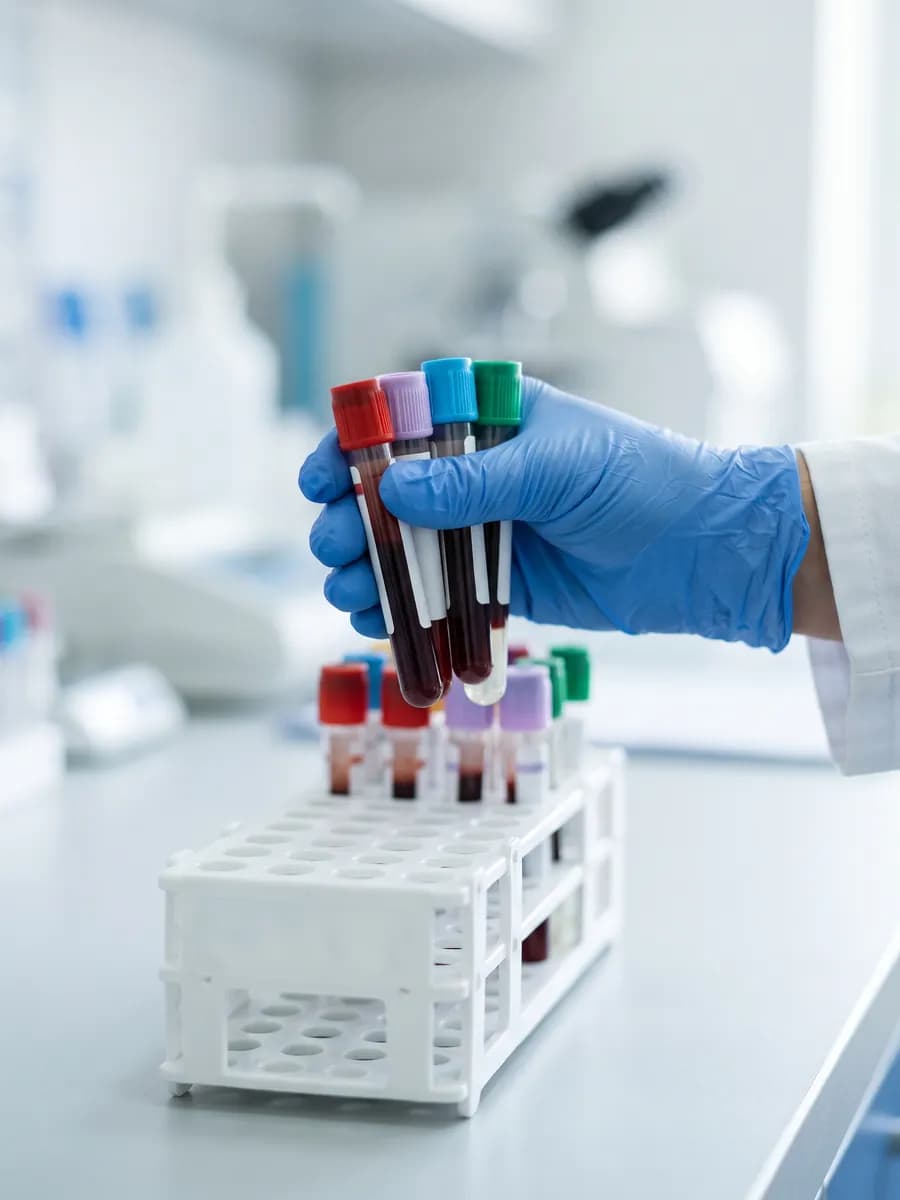
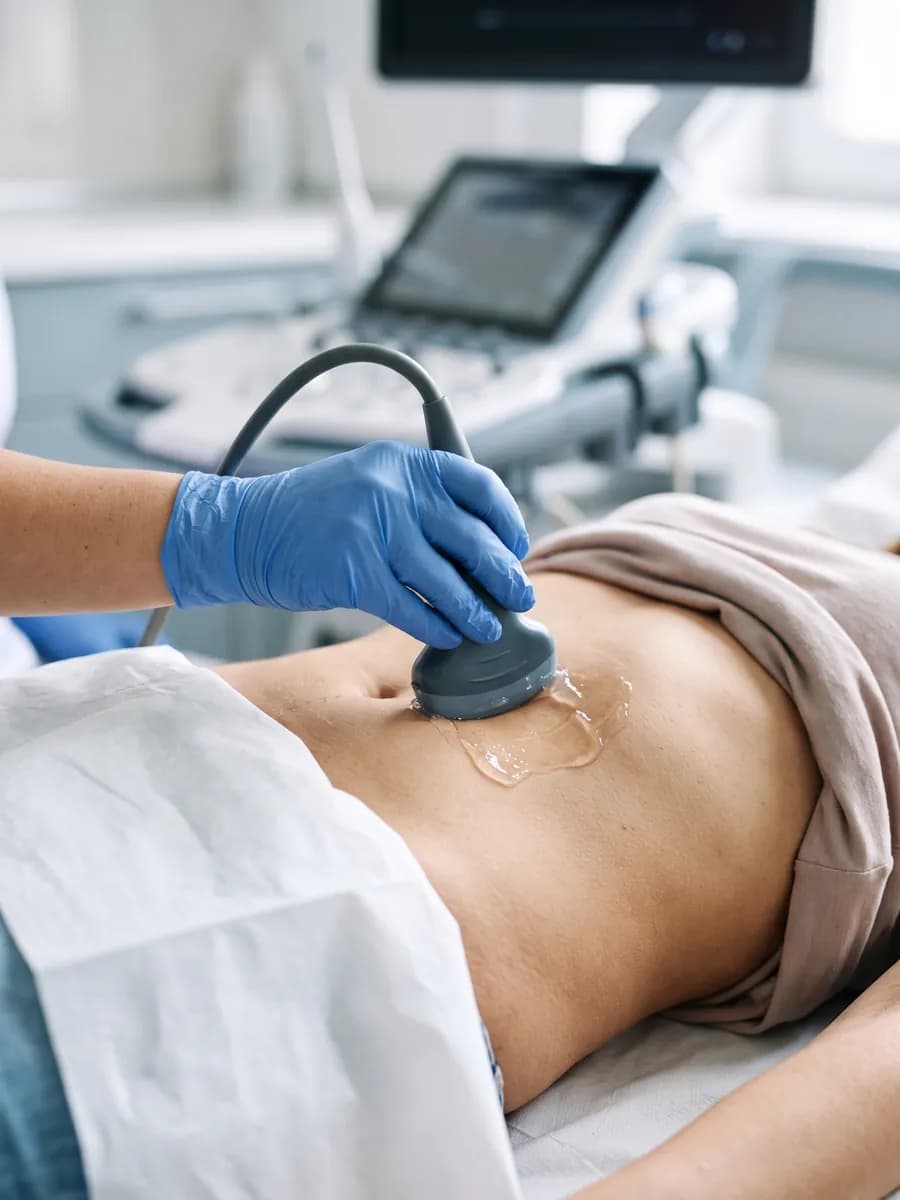
- 01Baseline assessment: consultation, examination including the feet (nerves, circulation, skin), laboratory tests, ECG and blood pressure; if needed, a glucose tolerance test and liver ultrasound.
- 02Setting targets: personal targets for HbA1c (usually 6.5–7.5%), blood pressure and cholesterol, tailored to your age and other conditions.
- 03Treatment: diet, exercise and weight come first. If necessary, we preferably use medications proven to protect the heart and kidneys. We also start insulin treatment in type 2 diabetes.
- 04Preventing complications: check-ups every three months and, once a year, a detailed check of the kidneys, heart, blood vessels, nerves and liver; eye examinations every 1–2 years depending on risk.
Duration & preparation
First appointment approx. 30–45 minutes, follow-up appointments 15–20 minutes.
You do not need to fast for HbA1c and blood lipids. For fasting blood sugar or the glucose tolerance test, please do not eat for 8 hours beforehand (water is allowed); the test takes about 2 hours. Please bring your blood sugar diary and your medication list.
FAQ: Diabetes & prediabetes
Medically reviewed by Dr. med. (Univ. Sousse) Alaeddine Slama, Specialist in internal medicine and cardiology · Last updated: November 2026

Make an appointment
Online around the clock or by phone during our consultation hours.