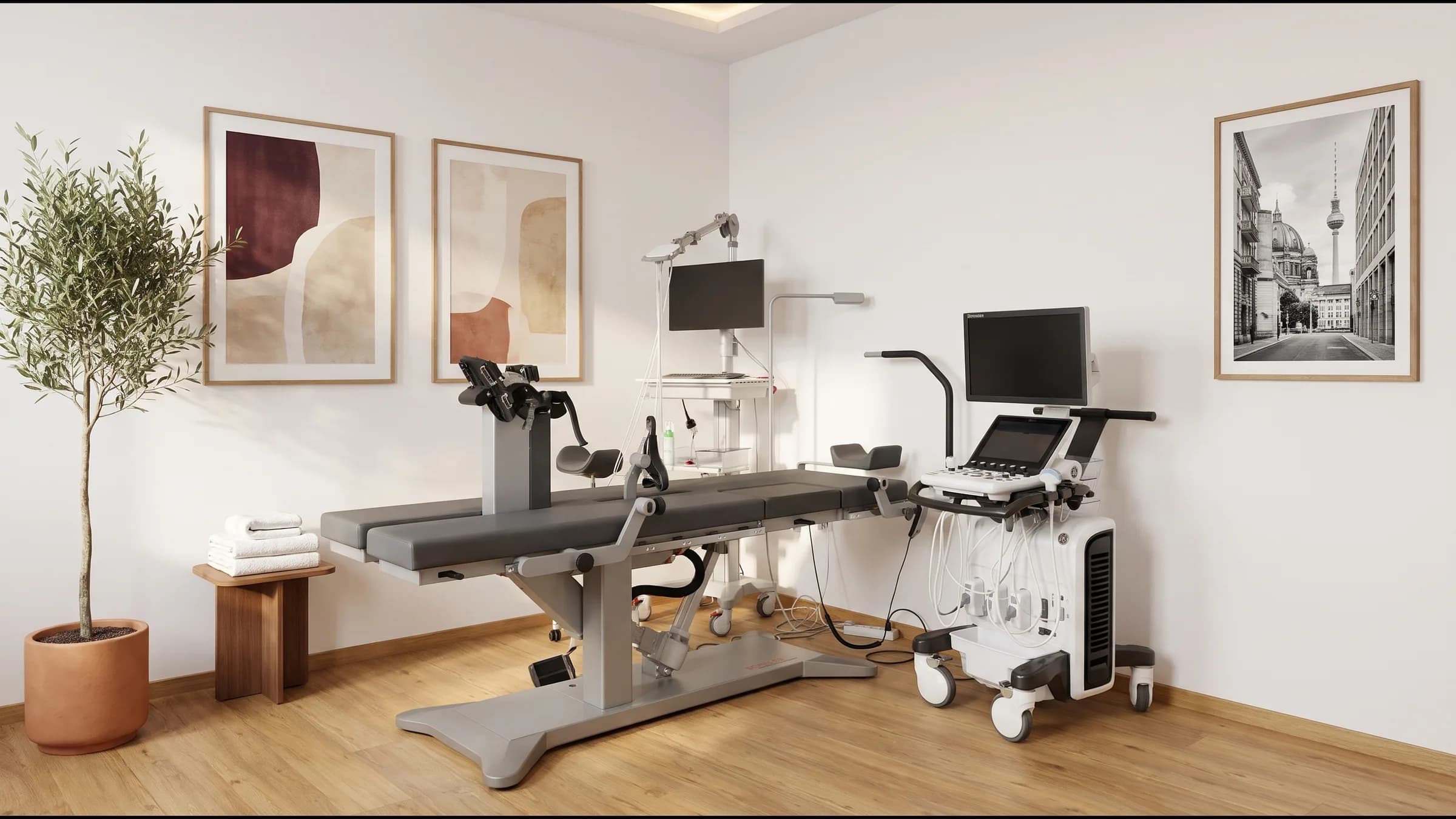
Heart check-up (preventive cardiology)
Primary care & prevention

Structured prevention: identifying your personal cardiovascular risk before symptoms develop.
What is it?
Cardiovascular diseases develop unnoticed over many years. The heart check-up systematically records the important risk factors and the current condition of your heart and blood vessels: from blood pressure and blood lipids to ECG, ultrasound and exercise capacity.
On this basis we calculate your 10-year risk using the European SCORE2 model (SCORE2-OP from age 70, SCORE2-Diabetes for type 2 diabetes) and take further risk enhancers into account, such as lipoprotein(a), kidney function or family history and derive specific measures: lifestyle, diet, exercise and, if necessary, medication.
When is the examination useful?
- For men from age 40 and women from age 50 or after the menopause, or earlier if you have risk factors
- If there is a family history: heart attack, stroke or sudden cardiac death in a first-degree relative (men before age 55, women before age 65)
- For high blood pressure, diabetes, raised blood lipids, excess weight or smoking
- For work-related stress and lack of exercise
- As a regular health review: about every 5 years if your risk is low, at individually agreed intervals if it is higher
Procedure
- 01Medical history and assessment of risk factors, lifestyle and family history.
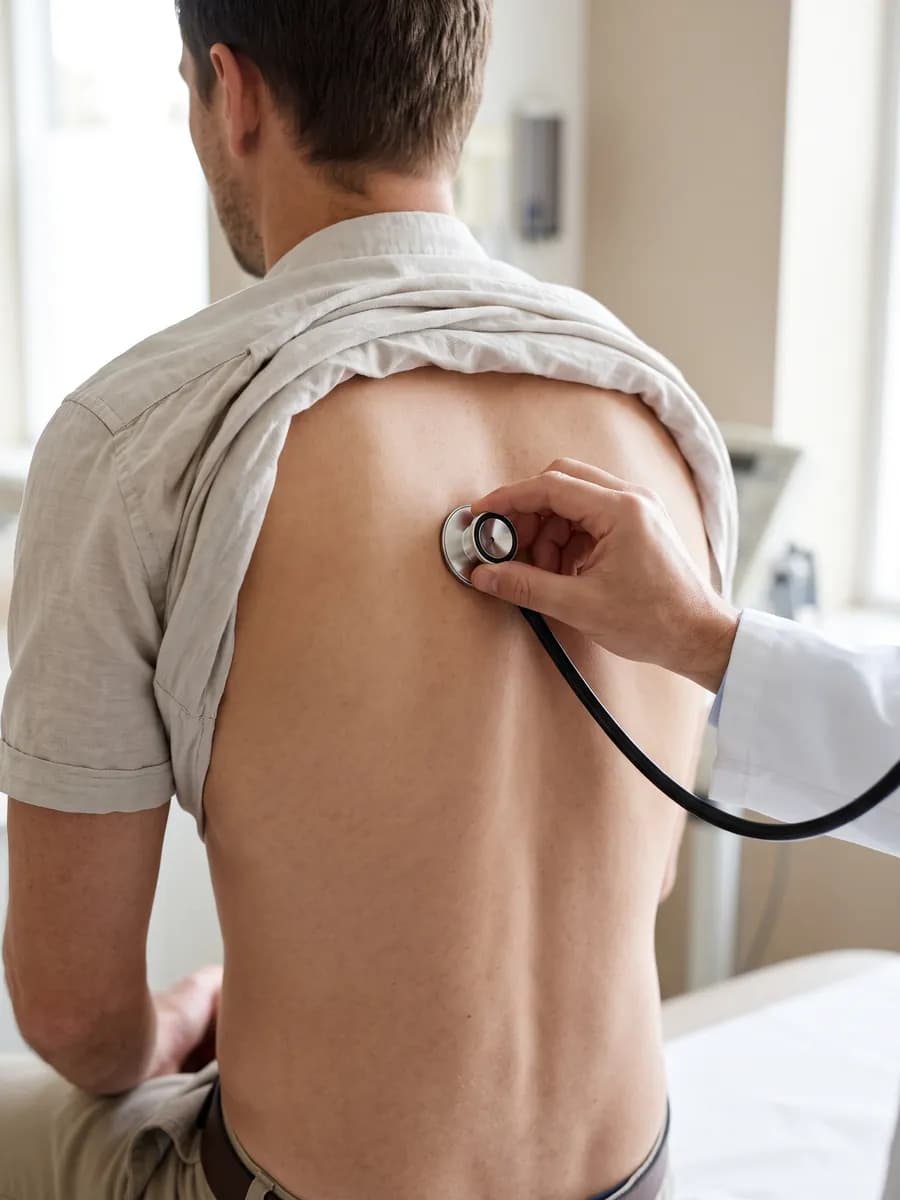
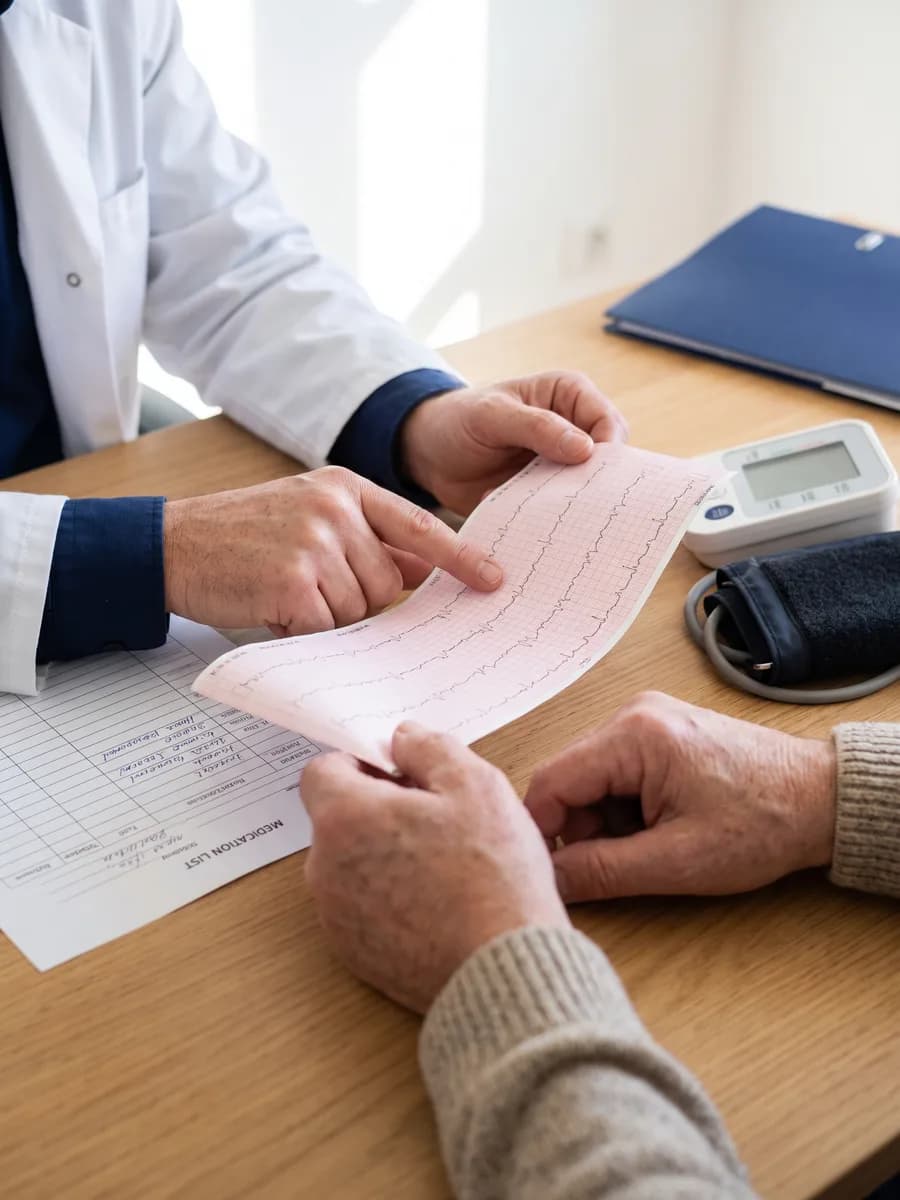
- 02Physical examination, blood pressure measurement, resting ECG and laboratory tests (blood lipids including a one-off lipoprotein(a) test, HbA1c, kidney function with eGFR and urine albumin-to-creatinine ratio).
- 03Only if your risk profile or symptoms suggest it: cardiac ultrasound, carotid ultrasound, long-term monitoring or a coronary calcium score on cardiac CT (through a partner).
- 04Detailed final consultation with a written report and an individual prevention plan.
Duration & preparation
Depending on the scope, 45 minutes to 2.5 hours, possibly spread over two appointments.
You do not need to fast for blood lipids. If fasting blood glucose is measured, please do not eat for 8 hours beforehand (water is allowed). If an exercise test is planned, we will let you know in advance.
FAQ: Heart check-up / preventive cardiology

Appointment for Heart check-up / preventive cardiology
Online around the clock or by phone during our consultation hours, also at short notice and for self-paying patients.