Heart rhythm disorders & atrial fibrillation (palpitations, racing heart)
Heart & circulation
From palpitations to atrial fibrillation: careful assessment, a clear diagnosis and treatment that suits you.
What is it?
Normally, the heart beats regularly, controlled by its own pacemaker, the sinus node. In heart rhythm disorders, this process is disrupted: the heart beats too fast, too slowly or irregularly. Many rhythm disorders are harmless, such as occasional extra beats. Others increase the risk of stroke or heart failure and should be treated specifically.
The most common persistent rhythm disorder is atrial fibrillation. About one in three people develop it during their lifetime. Atrial fibrillation can cause a racing heart, reduced fitness or breathlessness, but it can also go completely unnoticed. The main danger is the formation of blood clots in the atrium, which can cause a stroke.
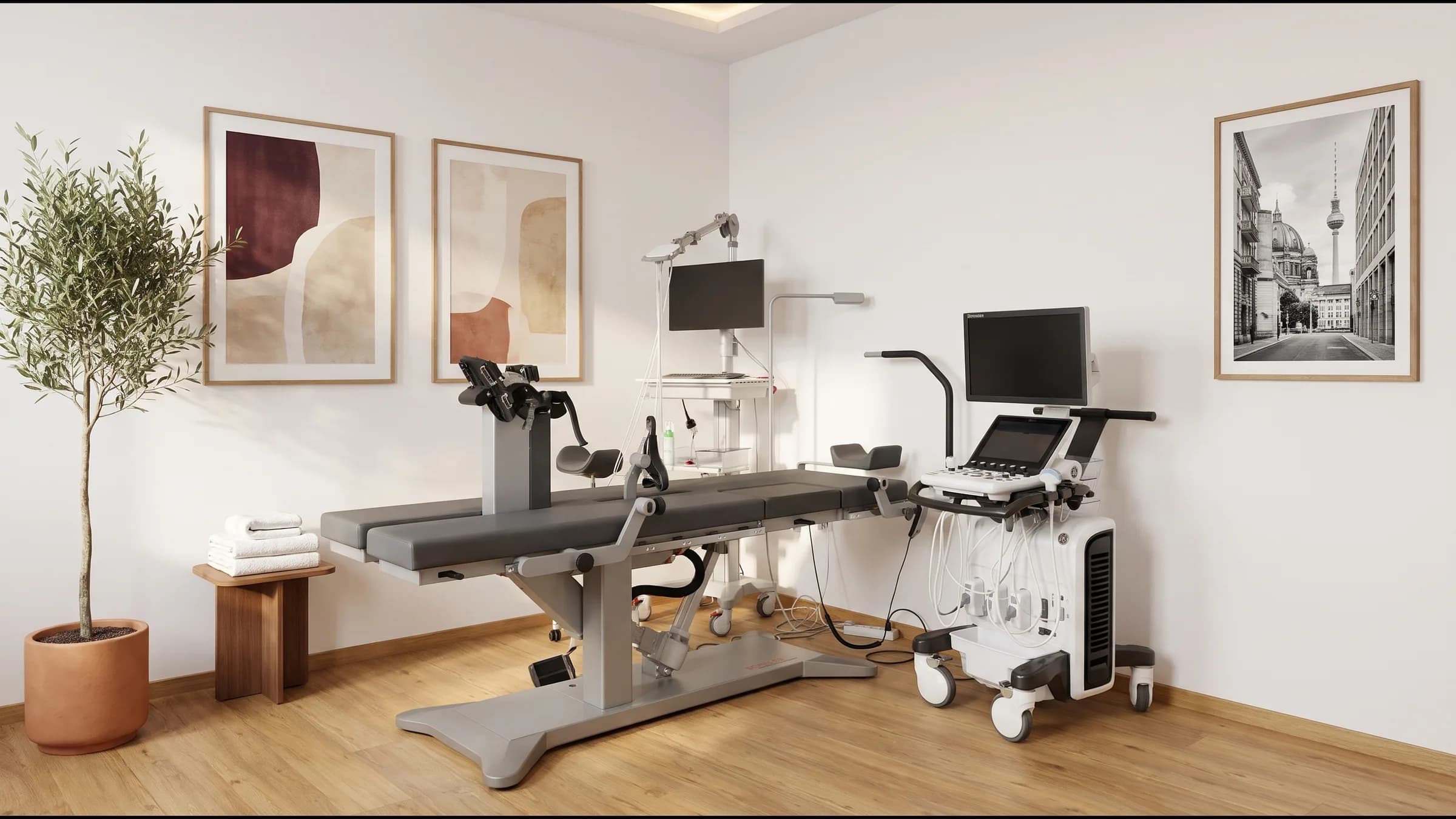
In our heart rhythm clinic, we assess your symptoms, document your heart rhythm and decide on treatment together with you. For atrial fibrillation, we follow the care pathway of the European Society of Cardiology, which has four pillars:
- 01Treating other conditions and risk factors: blood pressure, excess weight, sleep apnoea, diabetes, alcohol and lack of exercise directly affect atrial fibrillation.
- 02Preventing stroke, with anticoagulation if your personal risk requires it.
- 03Relieving symptoms by controlling the heart rate or restoring normal rhythm: with medication, cardioversion or catheter ablation.
- 04Regular reassessment, because atrial fibrillation and your risk change over time.
When is the examination useful?
- For palpitations, a racing heart or an irregular pulse
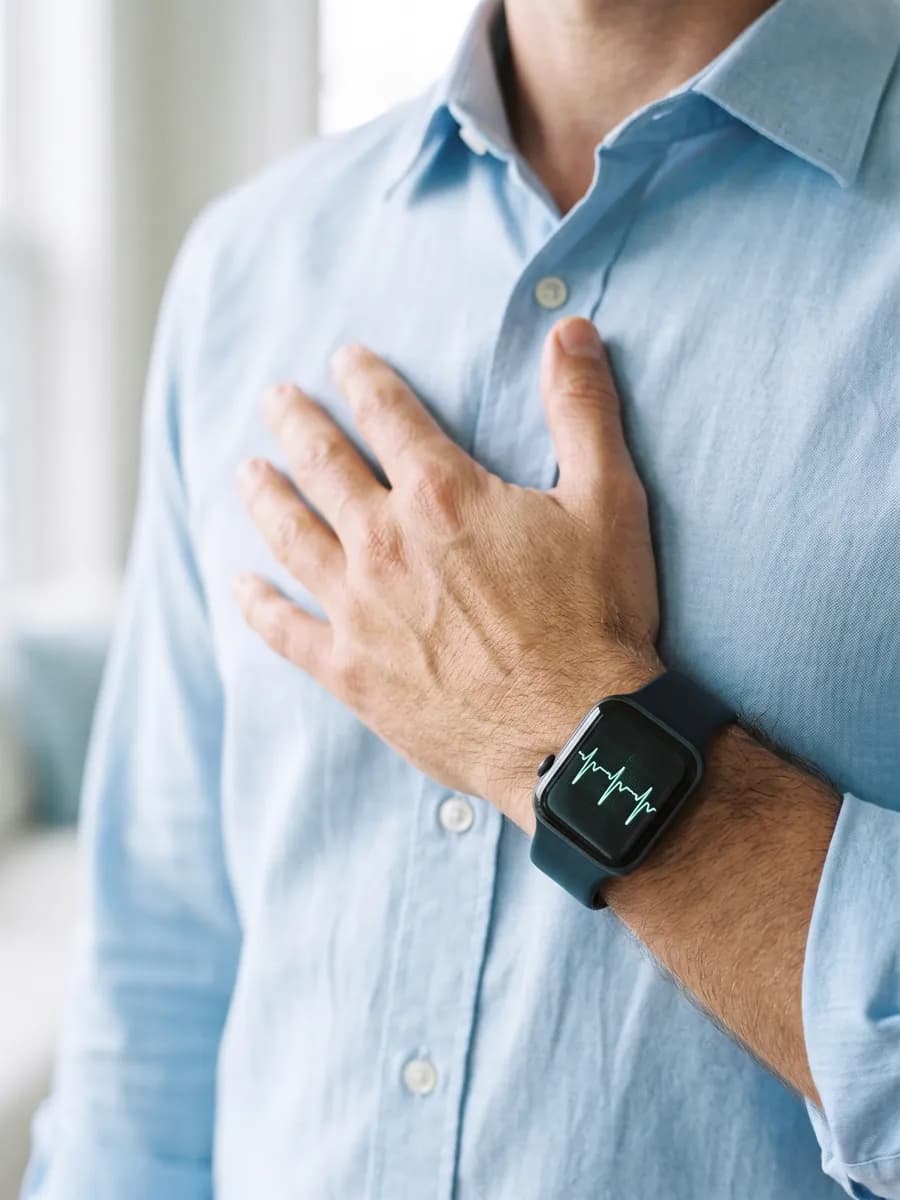
- If your smartwatch reports atrial fibrillation or an irregular rhythm
- For newly diagnosed atrial fibrillation, to classify it and plan treatment
- To decide whether you need anticoagulation or whether your current treatment is still right
- For a slow pulse, dizziness or brief losses of consciousness
- Before and after catheter ablation or cardioversion
- If sudden cardiac death or inherited rhythm disorders run in your family
Emergency: If you have a racing heart with chest pain, shortness of breath, dizziness or loss of consciousness, call 112 immediately.
Procedure
- 01A detailed discussion of your symptoms, triggers, medication and family history. Feel free to bring recordings from your smartwatch.
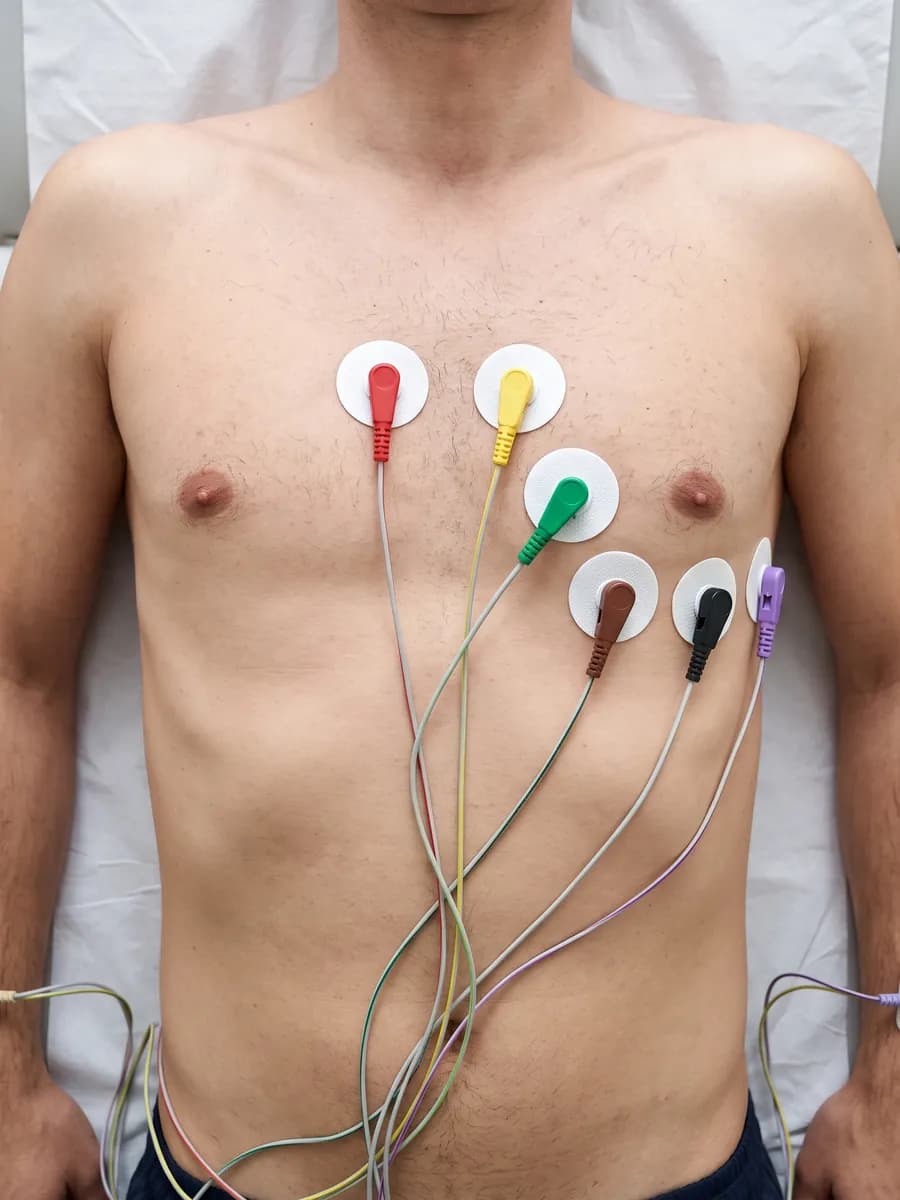
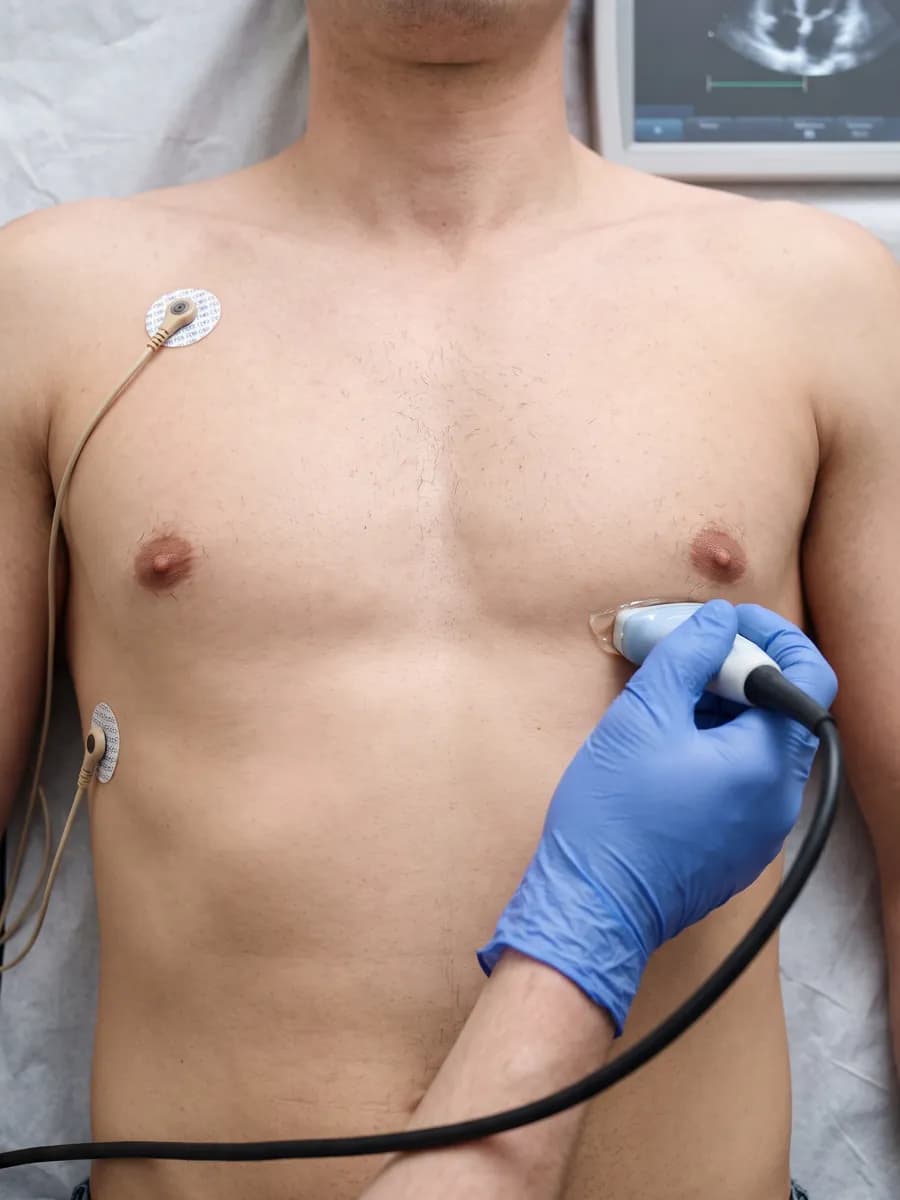
- 02Resting ECG and cardiac ultrasound: we check your rhythm and electrical conduction and whether there is underlying heart disease. Blood tests such as thyroid, kidney function and electrolytes complete the assessment.
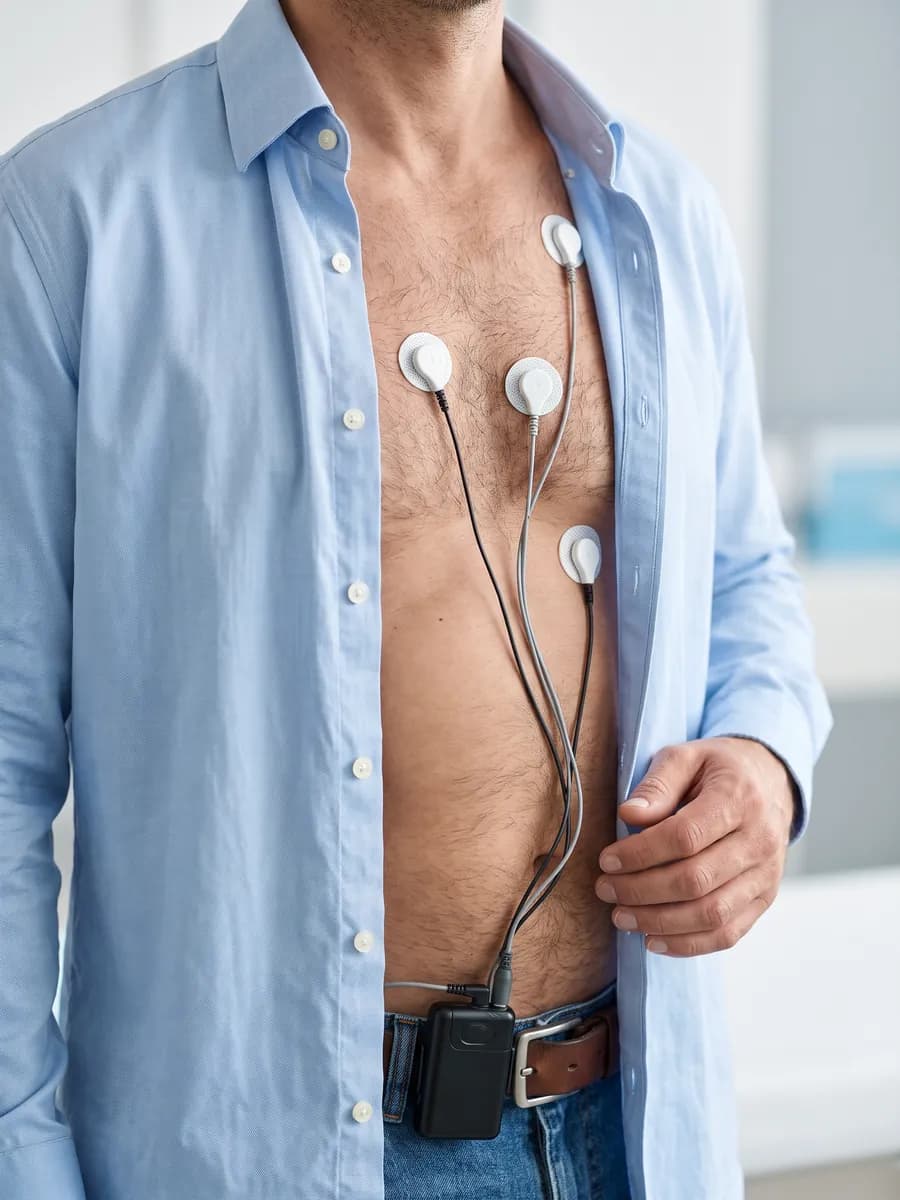
- 03If symptoms occur intermittently, we record your rhythm for 24 hours up to several days. For rare episodes, we discuss longer recordings, e.g. with an implantable loop recorder.
- 04Shared treatment decision: anticoagulation, rate or rhythm control, treatment of risk factors. If catheter ablation is appropriate, we prepare you for it and care for you afterwards. For this we work with an experienced ablation centre.
Duration & preparation
First appointment approx. 45–60 minutes including ECG and heart ultrasound.
Please bring your medication list, previous ECGs and doctors’ letters and, if available, recordings from your smartwatch or mobile ECG device. No special preparation is needed.
FAQ: Heart rhythm disorders & atrial fibrillation
Medically reviewed by Dr. med. (Univ. Sousse) Alaeddine Slama, Specialist in internal medicine and cardiology · Last updated: November 2026

Make an appointment
Online around the clock or by phone during our consultation hours.