HFpEF (heart failure with preserved ejection fraction)
Heart & circulation

Breathless and lacking energy, even though your heart pumps normally? We look for the cause and treat it specifically.
What is it?
In about half of all people with heart failure, the heart’s pumping strength is normal. The problem lies in filling: the heart muscle is stiff and only fills under increased pressure. This pressure backs up into the lungs, especially during exertion. Specialists call this heart failure with preserved ejection fraction, or HFpEF. According to the current guideline of the European Society of Cardiology, it applies at an ejection fraction of 50% or more.
HFpEF often occurs together with high blood pressure, obesity, diabetes, atrial fibrillation and kidney disease, and particularly often affects women and older people. Because pumping function looks normal on cardiac ultrasound, the condition is often overlooked for a long time.
In our specialist clinic, we confirm the diagnosis with a structured, guideline-based assessment, look specifically for particular causes and adjust treatment according to the current recommendations.
When is the examination useful?
- For shortness of breath or rapid exhaustion on exertion without a clear cause
- For fluid retention in the legs or unexplained weight gain
- If a raised NT-proBNP level has been measured
- If a cardiac ultrasound report mentions “diastolic dysfunction” or an enlarged atrium
- For high blood pressure, obesity, diabetes or atrial fibrillation with declining exercise capacity
- To review and optimise existing heart failure treatment
Emergency: If you are short of breath at rest, become rapidly more breathless when lying down or have chest pain, call 112 immediately.
Procedure
- 01A detailed consultation, physical examination and ECG. We record your symptoms, other conditions and medication.
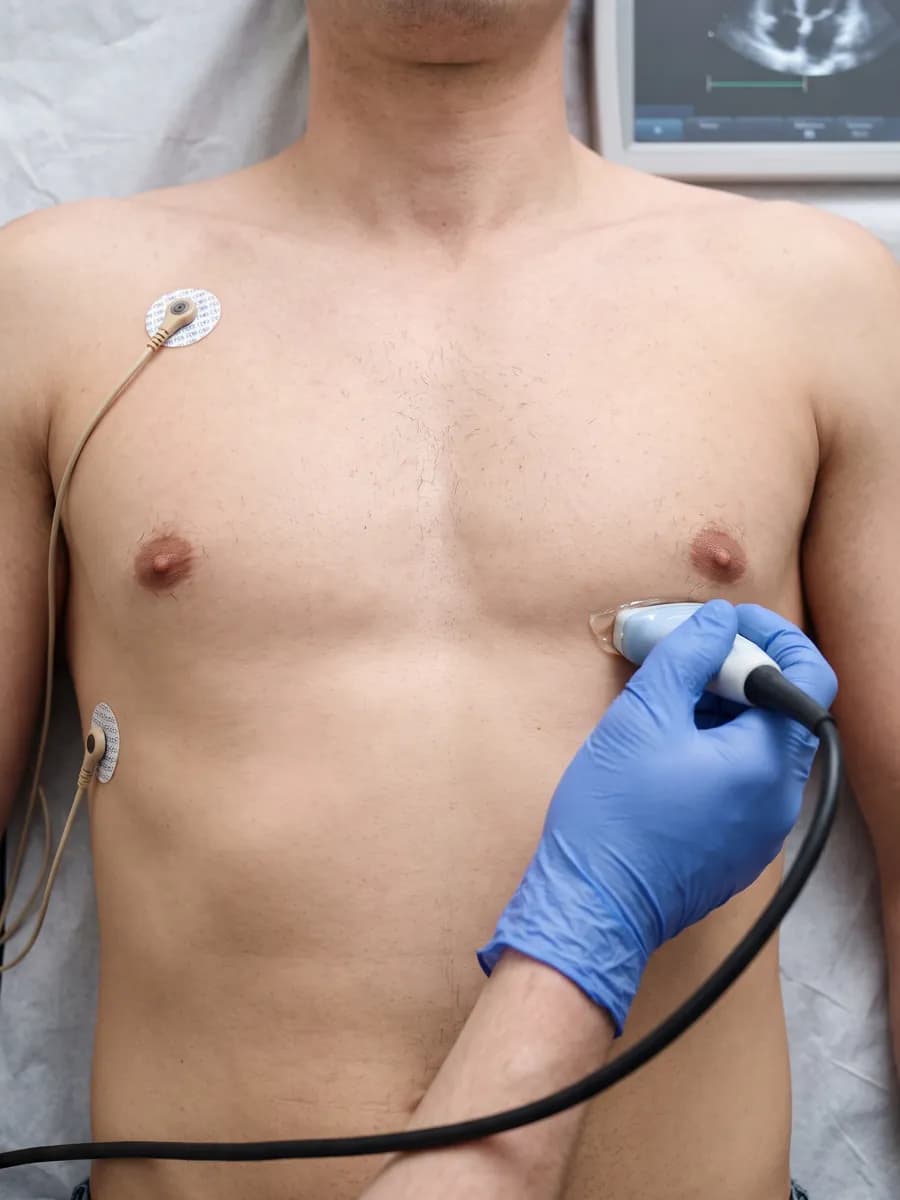
- 02Blood tests including NT-proBNP and kidney function, and cardiac ultrasound with a detailed assessment of filling: filling pressures, atrial size and function (strain), wall thickness and pulmonary pressure. From these findings, we use established scoring systems (HFA-PEFF, H2FPEF) to determine the probability of HFpEF.
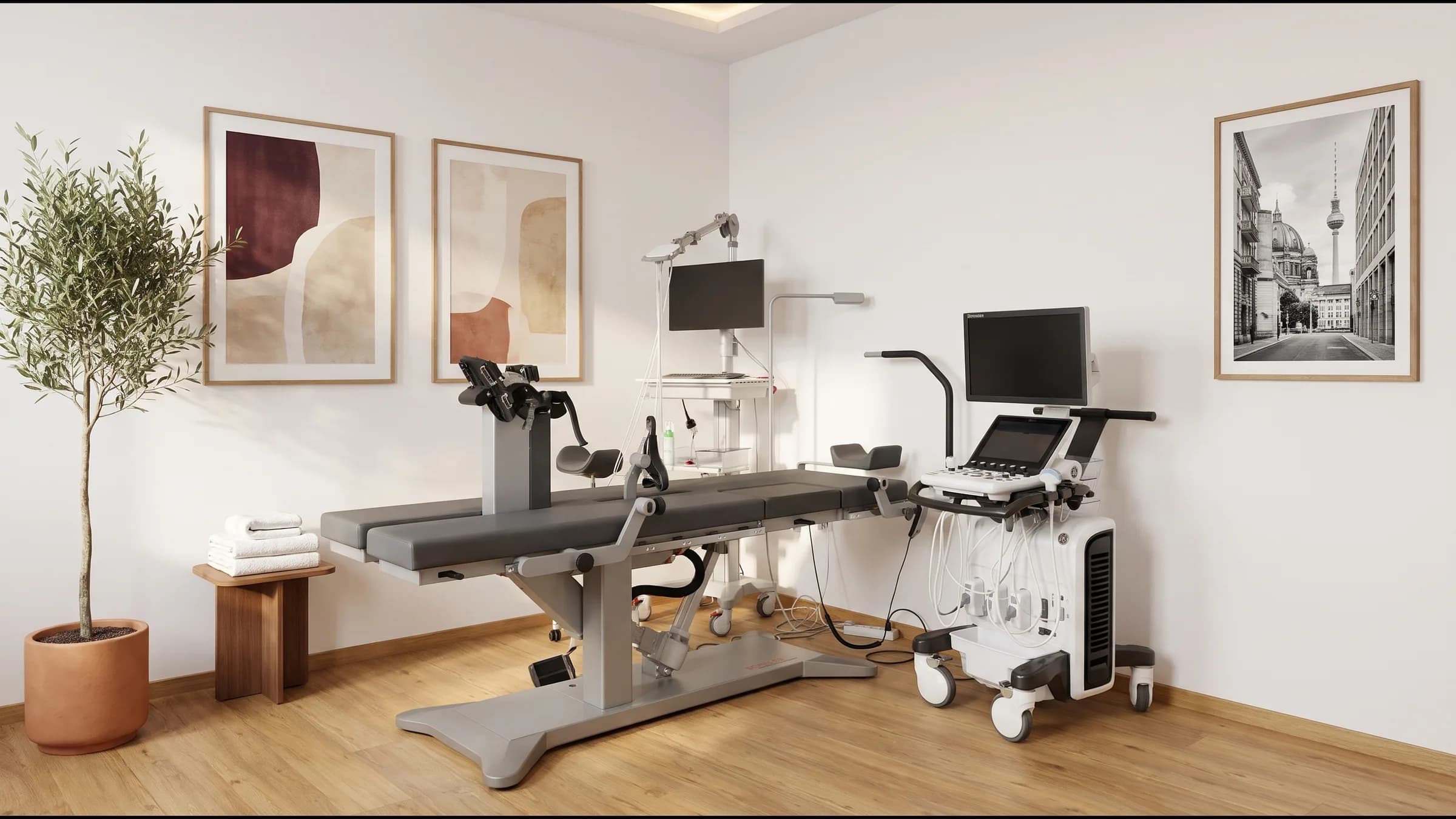
- 03If the diagnosis remains unclear, we examine the heart during exercise (diastolic stress echo): if filling pressures rise during exercise, HFpEF is confirmed. At the same time, we look for signs of particular causes such as cardiac amyloidosis or hypertrophic cardiomyopathy and arrange further tests if suspected.
- 04A joint treatment plan: medication, treatment of other conditions, an exercise programme and regular follow-up.
Duration & preparation
First appointment about 60 minutes; any stress echo takes place at a second appointment (45–60 minutes).
Please bring your medication list, previous doctors’ letters, cardiac ultrasound and laboratory reports. For the stress echo, please wear comfortable clothing and sturdy shoes.
FAQ: Heart failure with preserved ejection fraction (HFpEF)
Medically reviewed by Dr. med. (Univ. Sousse) Alaeddine Slama, Specialist in internal medicine and cardiology · Last updated: November 2026



Make an appointment
Online around the clock or by phone during our consultation hours.