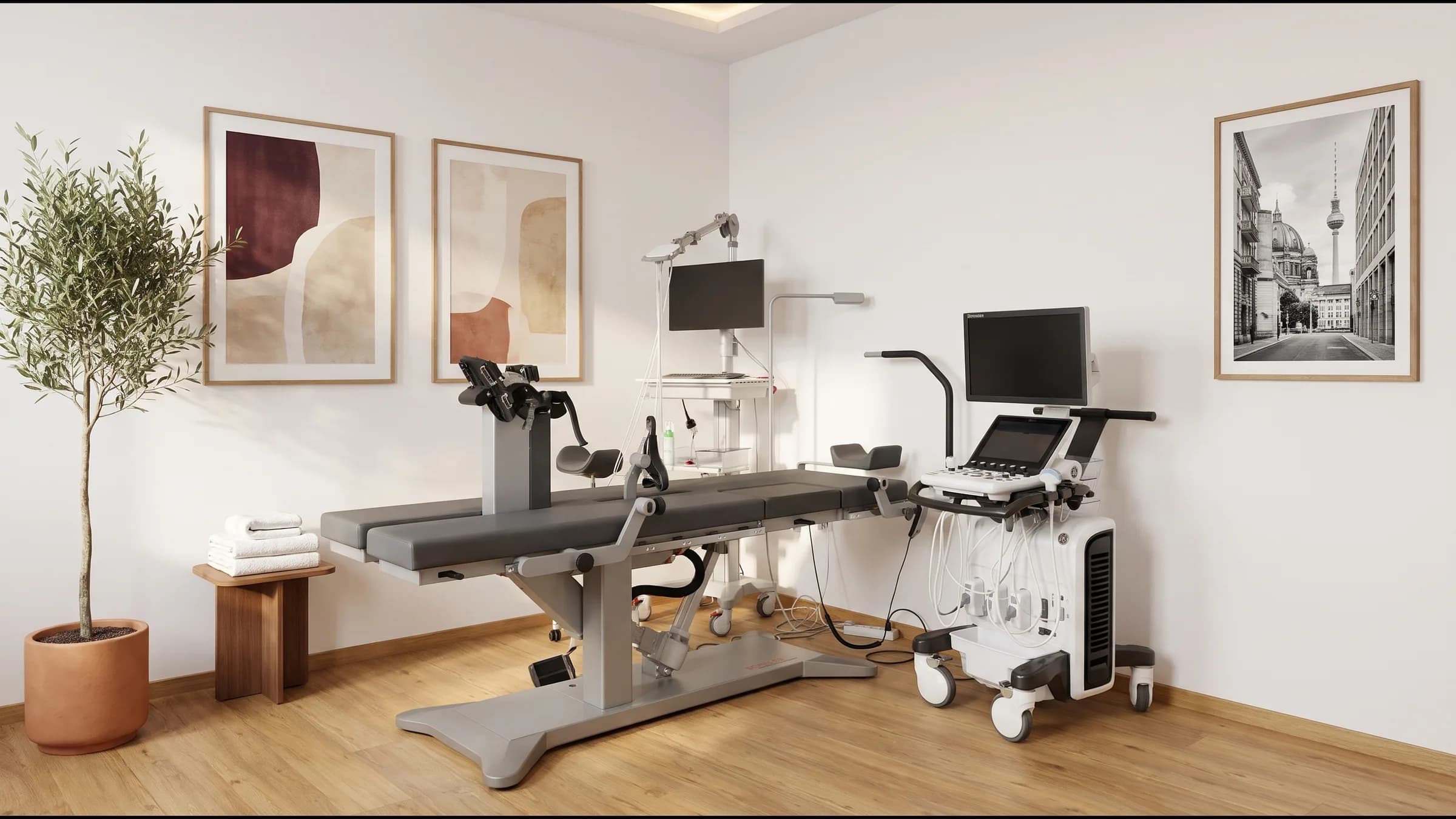
Cardiac assessment for athletes (heart check for sport)
Heart & circulation
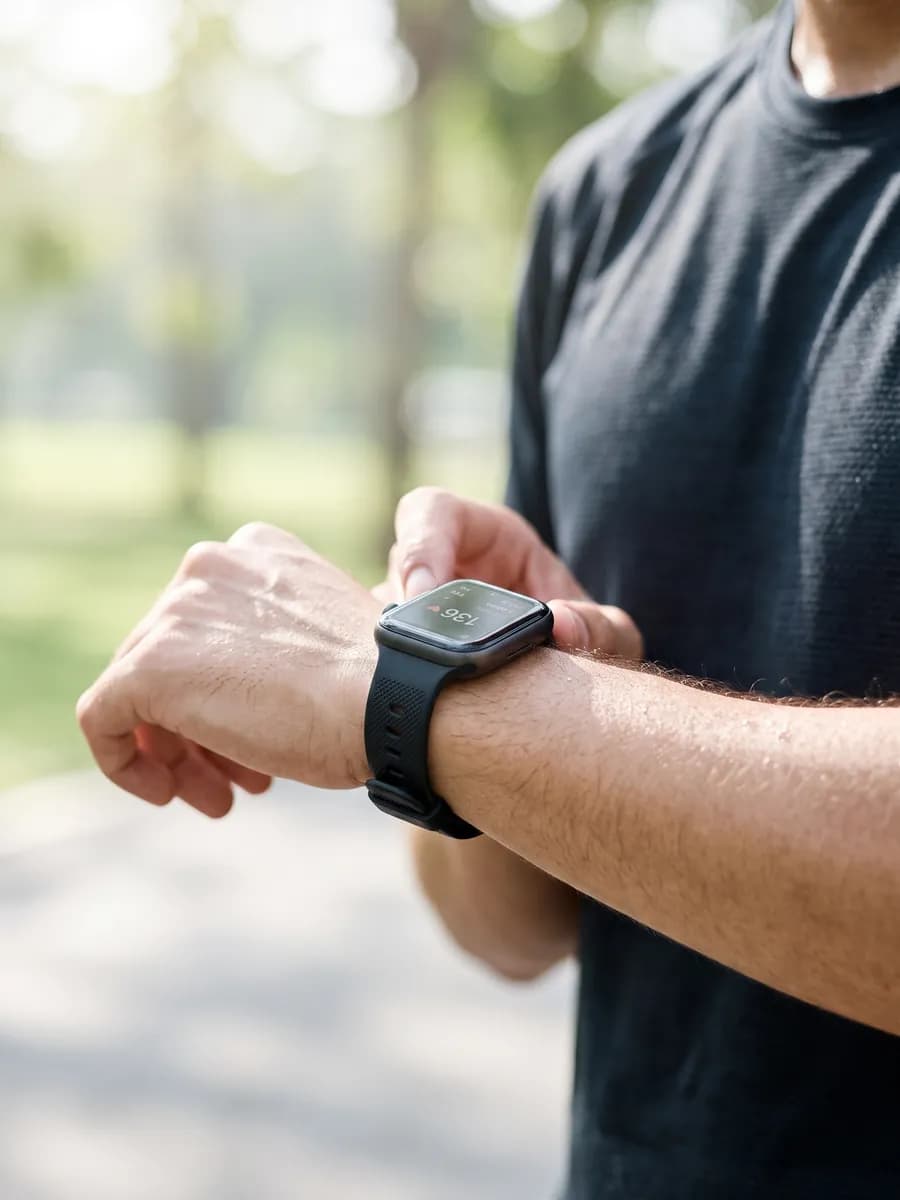
Train safely: cardiac assessment for recreational and competitive athletes as well as those returning to sport.
What is it?
Regular exercise is good for the heart, provided the heart is healthy. The cardiac assessment for athletes checks for undetected heart conditions that could become dangerous during exertion and gives you a clear framework for your training.
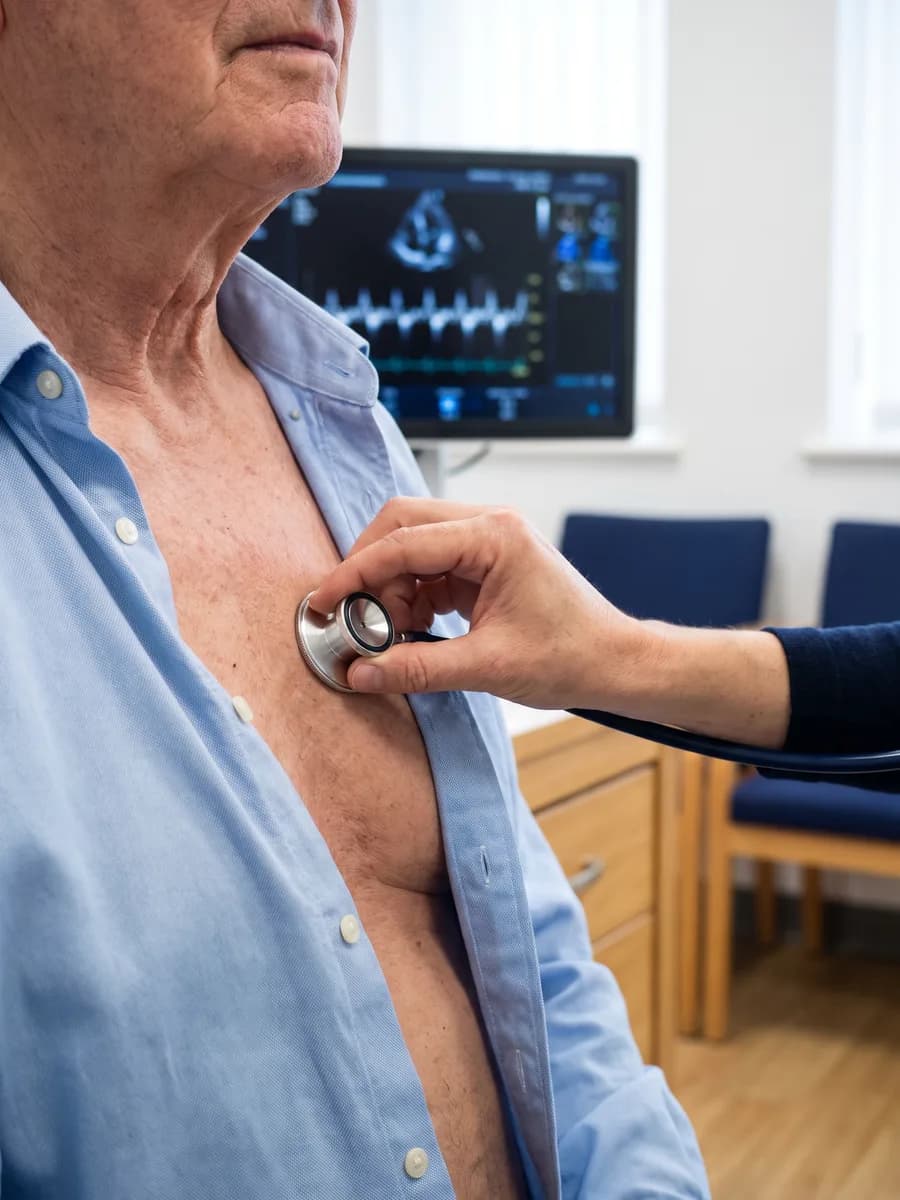
Depending on the question, it includes a medical history, physical examination, resting and exercise ECG, and echocardiography. We interpret the ECG according to the international criteria for athletes’ ECGs, to distinguish normal training adaptations from abnormal findings. On request, we issue a fitness certificate.
When is the examination useful?
- Before starting (or returning to) intensive sport, especially from age 35
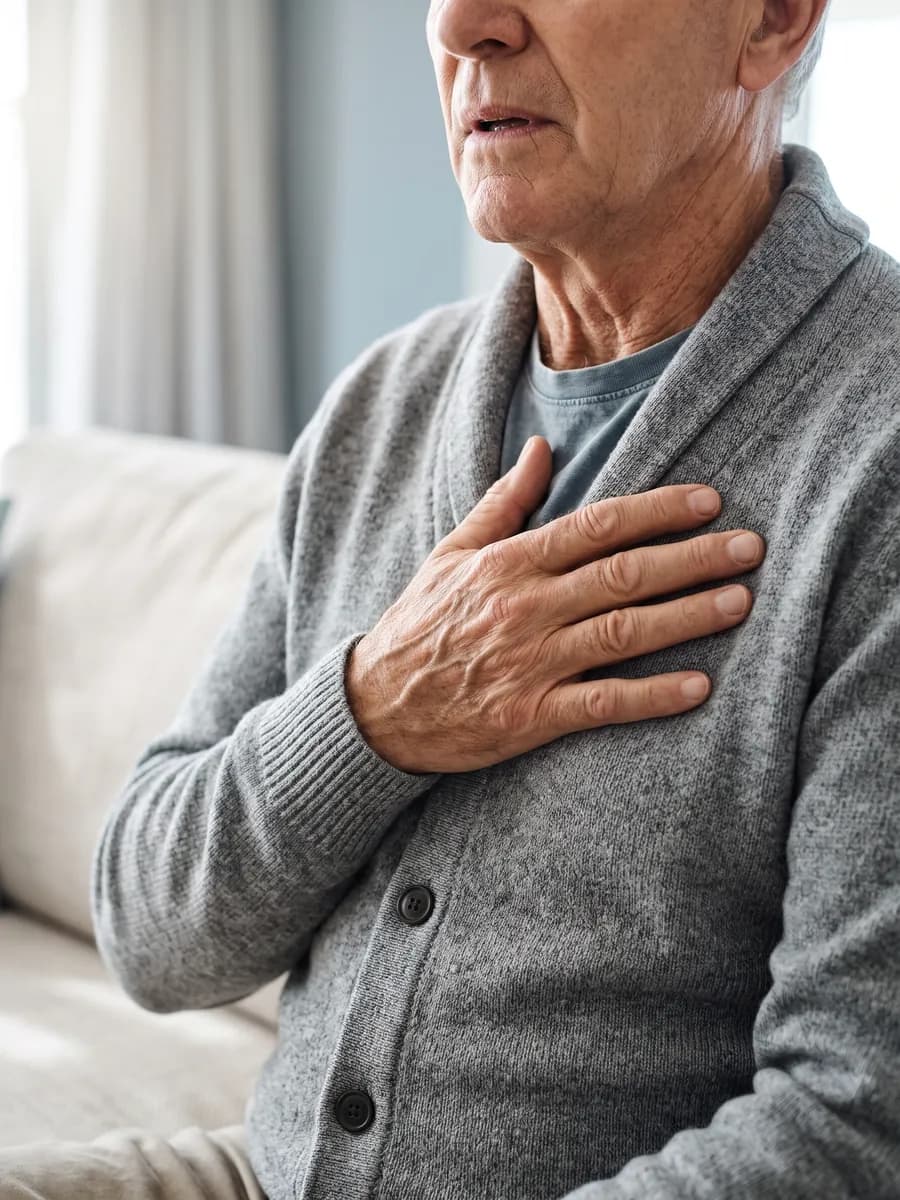
- For symptoms during exercise: shortness of breath, chest pain, racing heart, dizziness
- If there is a family history of sudden cardiac death or heart muscle disease
- For fitness certificates (e.g. marathon, competitive sport)
- To guide training in people with known heart conditions
- Before returning to sport after myocarditis
Important: If you develop chest pain, fainting or a racing heart during exercise, stop immediately and have it checked by a doctor. If symptoms persist, call 112.
Procedure
- 01A detailed discussion of your sporting history, symptoms and family history.
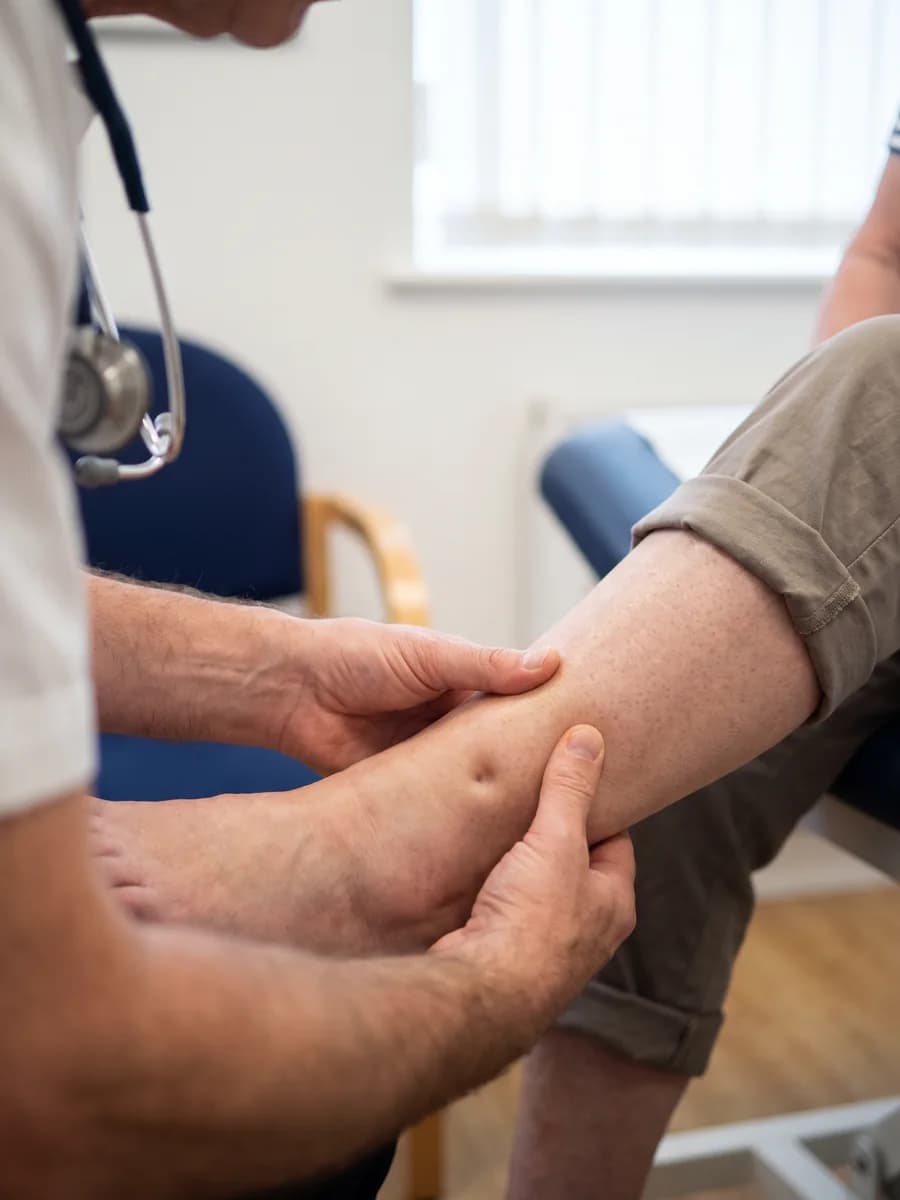
- 02Physical examination, resting ECG and echocardiography.
- 03Exercise ECG with assessment of exercise capacity and heart rate zones.
- 04Joint review with specific training recommendations and, if required, a certificate.
Duration & preparation
About 60–90 minutes for the full programme.
Please bring sportswear and sturdy shoes. On the day before, avoid intensive training and excessive alcohol or caffeine.
FAQ: Cardiac assessment for athletes (heart check for sport)
Appointment for Cardiac assessment for athletes (heart check for sport)
Online around the clock or by phone during our consultation hours, also at short notice and for self-paying patients.